
Ever wondered if your eye color is more than just a pretty shade? Turns out, it can be a little window into your health, offering clues we’re just starting to understand. It’s not a crystal ball, mind you, and your eye color won’t give you a definitive diagnosis, but research has begun to link certain eye colors to various health predispositions and conditions. Think of it less as a declaration and more as a pointer, a subtle hint that might be worth paying attention to. We’re talking about genetic ties and physiological mechanisms that influence both your eye color and your body’s workings.
The primary factor determining your eye color is melanin, a pigment also responsible for your skin and hair color. The more melanin in your iris, the darker your eyes. Brown eyes have the most, while blue eyes have the least. Green and hazel eyes fall somewhere in the middle, displaying varying amounts and distributions of melanin. This melanin isn’t just for show; it acts as a natural sunscreen within your eyes, protecting them from harmful UV radiation.
Protection from the Sun
Higher melanin levels, characteristic of darker eyes, offer increased protection against the sun’s ultraviolet rays. This is biologically advantageous in sunny climates, helping to mitigate the risk of certain ocular diseases associated with UV exposure. While those with lighter eyes should always wear UV-protective sunglasses, individuals with darker eyes still benefit from this inherent defense. It’s a natural adaptation that has evolved across human populations based on geographical sun exposure.
Eye Color and Skin Cancer Risk
There’s a well-established link between eye color and skin cancer risk, primarily due to the melanin factor we just discussed. People with lighter eyes tend to have less melanin overall, not just in their irises, but also in their skin.
Basal Cell Carcinoma
Studies have shown a correlation between blue or green eyes and an increased risk of basal cell carcinoma, the most common type of skin cancer. This form of cancer often appears on sun-exposed areas of the body. The reduced melanin content offers less inherent protection against DNA damage from UV radiation, making these individuals more susceptible. It’s not a guarantee, of course, but it’s a risk factor worth noting.
Squamous Cell Carcinoma
Similar to basal cell carcinoma, squamous cell carcinoma, another common skin cancer, also shows a heightened incidence in individuals with lighter eye colors. Again, the lack of melanin means less natural defense against the sun’s harmful rays. Regular skin checks and diligent sun protection are especially important for people in this group.
Melanoma
Melanoma, while less common than basal and squamous cell carcinomas, is the most serious type of skin cancer. Research suggests individuals with blue or green eyes have a higher risk of developing melanoma. This risk is amplified when combined with other factors like fair skin, red hair, and a tendency to freckle. It highlights the importance of comprehensive sun safety strategies, including seeking shade, wearing protective clothing, and using broad-spectrum sunscreen. This connection underlines a broader genetic predisposition related to melanin production across the body.
Neurological Connections
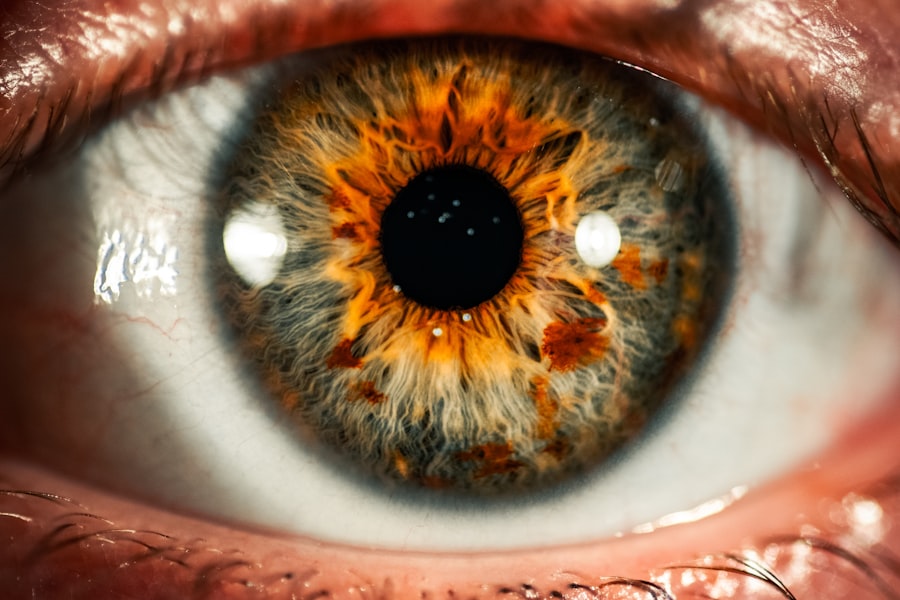
Interestingly, your eye color might also have subtle ties to your neurological makeup and how your brain functions. It’s not about intelligence or personality, but rather about certain predispositions and reactions.
Pain Tolerance
Some research indicates that individuals with lighter eyes, particularly blue, might have a higher pain tolerance compared to those with darker eyes. One theory suggests a genetic link involving the FOXP2 gene, which is involved in both eye color and pain perception. However, more extensive research is needed to fully understand this complex relationship. It’s an area of ongoing scientific inquiry that could provide fascinating insights into human physiology.
Alcohol Tolerance
There’s some evidence to suggest that people with lighter eyes might process alcohol differently or have a higher tolerance for it. This could be due to variations in the genes that produce melanin, which are also involved in liver function and metabolic processes. Again, this is not a hard-and-fast rule, and individual responses to alcohol are highly variable, but it’s an interesting observation within the scientific community. It points to a potentially shared genetic pathway influencing multiple bodily systems.
Seasonal Affective Disorder (SAD)
Seasonal Affective Disorder (SAD) is a type of depression that recurs seasonally, typically during the colder, darker months. Some studies propose a link between lighter eye color and an increased susceptibility to SAD. The theory here relates to the amount of light that enters the eye and stimulates the brain. Lighter irises allow more light to penetrate, which could potentially impact the body’s circadian rhythm and melatonin production, though the exact mechanism is still being investigated. This suggests an interaction between environmental factors and genetic predispositions.
Eye Color and Specific Conditions
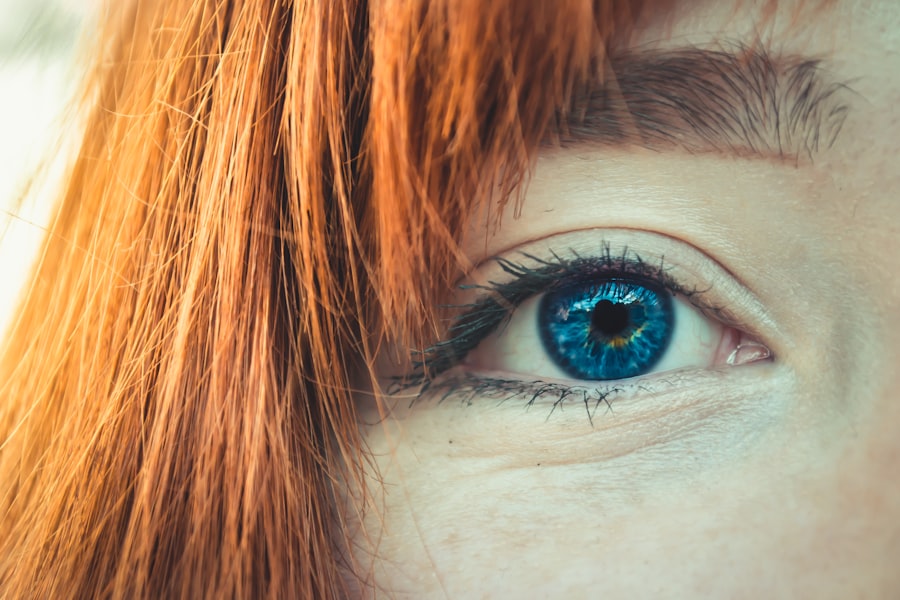
Beyond general predispositions, some studies have explored specific medical conditions and their potential links to eye color.
Vitiligo
Vitiligo is a condition where the skin loses its pigment in patches. Interestingly, individuals with blue eyes appear to have a lower risk of developing vitiligo. This suggests an inverse relationship, where the genetic factors contributing to blue eyes might offer some protective effect against this autoimmune condition. It’s a tantalizing clue that researchers are actively pursuing.
Type 1 Diabetes
The connection between eye color and Type 1 diabetes is less clear-cut, but some studies have indicated a potential, albeit weak, association. It’s important to remember that these are statistical observations, not predictors. The vast majority of people with lighter eyes do not develop Type 1 diabetes, and many with darker eyes do. The genetic landscape for Type 1 diabetes is incredibly complex. Nevertheless, these observed correlations prompt further investigation into shared genetic markers or pathways.
Ocular Melanoma
While we discussed skin melanoma earlier, ocular melanoma is a distinct form of cancer affecting the eye itself. Here, there’s a more direct link: individuals with lighter eyes, particularly blue or green, have a higher risk of developing ocular melanoma. The lack of protective melanin within the eye is a significant contributing factor, much like with skin cancers. Regular eye exams, especially if you have light eyes and risk factors like a family history, are crucial for early detection. This underscores the protective role of melanin directly within the eye structure.
Age-related Macular Degeneration (AMD)
Age-related Macular Degeneration (AMD) is a leading cause of vision loss in older adults. Some research suggests a slightly increased risk of AMD in individuals with lighter eye colors. The theory again revolves around melanin’s protective role. Less melanin in the retina and iris could mean less protection from oxidative stress and UV damage over time, contributing to the development of AMD. While eye color is one risk factor, it’s part of a much larger picture that includes genetics, lifestyle, and other health conditions.
Other Interesting Observations
| Eye Color | Potential Health Implications |
|---|---|
| Brown | Lower risk of age-related macular degeneration |
| Blue | Higher sensitivity to light and potential increased risk of cataracts |
| Green | Potential increased risk of eye melanoma |
| Hazel | Varied risk factors depending on the dominant color in the iris |
The link between eye color and health is an evolving field, with new observations continually emerging. These are not definitive declarations, but rather intriguing areas of research.
Hearing Loss
Some studies have explored a link between eye color and hearing loss, specifically noise-induced hearing loss. One theory suggests that melanin in the inner ear might play a protective role, similar to its function in the eye and skin. Therefore, individuals with higher melanin levels (darker eyes) might have a slightly reduced risk of certain types of hearing damage. This is a preliminary area of research and requires much more investigation. It’s an example of how a single pigment can have widespread effects across different physiological systems.
Athletic Performance
This one is a bit more speculative, but some anecdotal and preliminary research has touched upon a potential link between eye color and certain aspects of athletic performance. One theory suggests that individuals with lighter eyes might have faster reaction times. This is thought to be tied to neurological differences linked to melanin production. However, it’s essential to approach this with a hefty dose of skepticism, as individual talent, training, and countless other factors overwhelmingly determine athletic prowess. This is a very nascent area of inquiry.
Gut Microbiome Health
Emerging research is starting to explore potential connections between genetics, melanin production, and the composition of the gut microbiome. While this is highly preliminary, it points to the complexity of human biology where seemingly unrelated traits might share common genetic roots. The gut microbiome influences numerous aspects of health, and if there’s any link to eye color, it would represent a very indirect and multifaceted connection. This is at the cutting edge of scientific investigation.
It’s clear that your eye color is much more than just a cosmetic feature. It represents a fascinating genetic fingerprint that can offer subtle insights into your health predispositions. Remember, these links are about increased risk, not destiny. Your lifestyle choices, environment, and overall genetic makeup play huge roles in your health. If you have concerns about your health, talk to a medical professional. This information is meant to provide a broader understanding, not to serve as an alarming diagnostic tool.
FAQs
1. Can eye color indicate any health conditions?
Yes, research suggests that certain eye colors may be associated with a higher risk of certain health conditions. For example, people with lighter eye colors such as blue or green may have a higher risk of age-related macular degeneration, while those with darker eye colors such as brown may have a lower risk.
2. Is there a link between eye color and the risk of certain diseases?
Yes, studies have found that eye color may be linked to the risk of certain diseases. For example, people with lighter eye colors may have a higher risk of developing certain types of cancer, such as uveal melanoma, while those with darker eye colors may have a lower risk.
3. Can eye color affect sensitivity to light and glare?
Yes, people with lighter eye colors such as blue or green may be more sensitive to light and glare compared to those with darker eye colors such as brown. This is because lighter eye colors have less pigment to protect the eyes from harsh sunlight.
4. Are there any genetic factors that determine eye color and health risks?
Yes, eye color is determined by genetics, and certain genes that determine eye color may also be linked to the risk of certain health conditions. However, it’s important to note that genetics is just one factor among many that contribute to overall health risks.
5. Can changes in eye color indicate underlying health issues?
Yes, changes in eye color can sometimes indicate underlying health issues. For example, yellowing of the eyes (jaundice) can be a sign of liver problems, while a change in eye color due to a growth or lesion in the eye may indicate a serious health issue that requires medical attention.
