
Astigmatism is a common refractive error in the eye that affects how light is focused on the retina. Unlike a perfectly spherical cornea, which allows light to focus evenly, an astigmatic cornea has an irregular shape. This irregularity can lead to blurred or distorted vision at various distances. Astigmatism can occur in conjunction with other refractive errors, such as myopia (nearsightedness) or hyperopia (farsightedness), complicating the visual experience for those affected.
The condition can be present at birth or develop over time due to various factors. It is not uncommon for individuals to have some degree of astigmatism without even realizing it, as mild cases may not significantly impact daily activities. However, as the degree of astigmatism increases, it can lead to more pronounced visual disturbances, prompting individuals to seek corrective measures.
Symptoms of Astigmatism
Individuals with astigmatism often experience a range of visual symptoms that can vary in severity. One of the most common complaints is blurred or distorted vision, which can affect both near and far sight. This distortion occurs because light rays are not focused evenly on the retina, leading to a confusing visual experience. People may find it challenging to read small print or see clearly while driving, particularly at night when glare from headlights can exacerbate the issue.
In addition to blurred vision, astigmatism can cause eye strain and discomfort. Many individuals report experiencing headaches, especially after prolonged periods of reading or using digital devices. This discomfort arises from the extra effort required by the eyes to focus properly. Some may also experience difficulty with depth perception, making it harder to judge distances accurately. These symptoms can significantly impact daily life, prompting individuals to seek professional evaluation and treatment.
Causes of Astigmatism
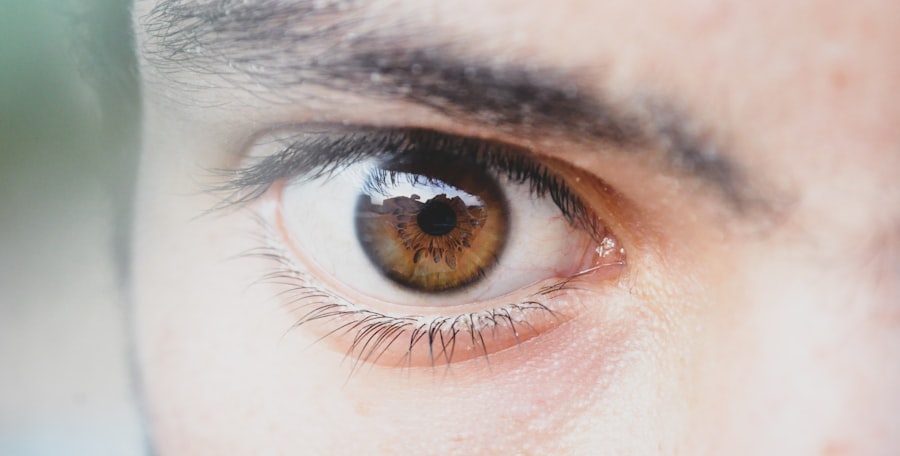
Astigmatism primarily results from an irregular shape of the cornea or lens within the eye. In a healthy eye, the cornea and lens are smooth and evenly curved, allowing light to focus correctly on the retina. However, in individuals with astigmatism, the cornea may be more oval than round, or the lens may have an uneven curvature. This irregularity can be hereditary, meaning it often runs in families.
In some cases, astigmatism can develop due to environmental factors or eye injuries. Conditions such as keratoconus, where the cornea thins and bulges outward, can also lead to astigmatism. Additionally, certain surgeries or diseases affecting the eye may contribute to changes in curvature that result in this refractive error. Understanding the underlying causes is essential for effective diagnosis and treatment.
Diagnosing Astigmatism
Diagnosing astigmatism typically involves a comprehensive eye examination conducted by an optometrist or ophthalmologist. The process begins with a review of the patient’s medical history and any visual symptoms they may be experiencing. Following this, various tests are performed to assess visual acuity and measure how light is refracted as it enters the eye.
One common test used in diagnosing astigmatism is the keratometry test, which measures the curvature of the cornea. Additionally, a refraction test is conducted using a phoropter, where patients look through different lenses to determine which combination provides the clearest vision. The results from these tests help eye care professionals determine the degree and type of astigmatism present, guiding them toward appropriate treatment options.
Treating Astigmatism
| Category | Details |
|---|---|
| Symptoms | Blurred or distorted vision, eyestrain, headaches, difficulty seeing at night |
| Causes | Irregular shape of the cornea or lens, genetics, eye injury or surgery |
| Treatment Options | Eyeglasses, contact lenses, refractive surgery, orthokeratology |
Treatment for astigmatism varies based on its severity and the specific needs of the individual. For many people, corrective lenses—either glasses or contact lenses—are sufficient to manage their symptoms effectively. These lenses are designed to counteract the irregular curvature of the cornea or lens, allowing light to focus correctly on the retina.
In more severe cases or when patients prefer a more permanent solution, surgical options may be considered. Procedures such as LASIK or PRK can reshape the cornea to improve its curvature and reduce or eliminate astigmatism altogether. The choice of treatment depends on various factors, including the patient’s age, lifestyle, and overall eye health.
Correcting Astigmatism with Glasses
Glasses are one of the most common methods for correcting astigmatism. They work by using specially designed lenses that compensate for the irregular shape of the cornea. These lenses are typically cylindrical in shape and are prescribed based on the specific degree of astigmatism identified during the eye examination.
Wearing glasses can provide immediate relief from symptoms such as blurred vision and eye strain. They are also a non-invasive option that allows for easy adjustments as a person’s vision changes over time. Many people appreciate that glasses come in various styles and designs, making them not only functional but also a fashion accessory. However, some individuals may find glasses cumbersome or uncomfortable for extended wear, leading them to explore alternative options.
Correcting Astigmatism with Contact Lenses
Contact lenses offer another effective solution for correcting astigmatism. Unlike glasses, which sit away from the eyes, contact lenses rest directly on the cornea, providing a wider field of vision and reducing distortions caused by frame edges. Toric contact lenses are specifically designed for individuals with astigmatism; they have different powers in different meridians of the lens to accommodate the irregular shape of the cornea.
Many people prefer contact lenses for their convenience and aesthetic appeal. They allow for greater freedom during physical activities and eliminate issues such as fogging that can occur with glasses. However, proper care and hygiene are essential when using contact lenses to prevent complications such as infections or discomfort. Regular follow-ups with an eye care professional are also necessary to ensure that the lenses continue to fit well and meet visual needs.
Surgical Options for Astigmatism
For those seeking a more permanent solution to astigmatism, surgical options are available that can reshape the cornea and improve vision significantly. LASIK (Laser-Assisted In Situ Keratomileusis) is one of the most popular procedures for correcting refractive errors, including astigmatism. During this procedure, a laser is used to remove a precise amount of corneal tissue, allowing light to focus more accurately on the retina.
Another surgical option is PRK (Photorefractive Keratectomy), which involves removing the outer layer of the cornea before reshaping it with a laser. Both procedures have high success rates and can lead to significant improvements in vision quality. However, candidates must undergo thorough evaluations to determine their suitability for surgery based on factors such as corneal thickness and overall eye health.
In conclusion, astigmatism is a prevalent condition that affects many individuals worldwide. Understanding its symptoms, causes, and treatment options is crucial for those seeking relief from visual disturbances associated with this refractive error. Whether through corrective lenses or surgical interventions, effective management of astigmatism can lead to improved quality of life and enhanced visual clarity.
FAQs
What is astigmatism?
Astigmatism is a common vision condition that causes blurred or distorted vision. It occurs when the cornea or lens of the eye has an irregular shape, leading to difficulty in focusing light onto the retina.
What are the symptoms of astigmatism?
Symptoms of astigmatism may include blurred or distorted vision, eyestrain, headaches, and difficulty seeing at night. Some individuals may also experience squinting or discomfort when trying to focus on objects.
What causes astigmatism?
Astigmatism can be caused by a variety of factors, including genetics, eye injuries, or certain eye surgeries. It can also be present at birth or develop over time due to changes in the shape of the cornea or lens.
How is astigmatism diagnosed?
Astigmatism can be diagnosed through a comprehensive eye exam, which may include a visual acuity test, refraction assessment, and measurement of the curvature of the cornea. An eye care professional can determine the presence and severity of astigmatism.
What are the treatment options for astigmatism?
Treatment options for astigmatism may include prescription eyeglasses or contact lenses to correct vision, as well as refractive surgery such as LASIK or PRK. In some cases, orthokeratology or special contact lenses may be recommended to temporarily reshape the cornea and improve vision.
