
Seeing little specks, squiggly lines, or cobwebs drift across your vision might seem a bit alarming, and you’re probably wondering what’s going on. Generally speaking, those “eye floaters” are a pretty normal part of aging, a subtle shift in the jelly-like substance inside your eye. If that’s all you’re experiencing, there’s usually no need to panic. However, there are times when those floaters can be a sign of something more serious, and it’s good to know when to pay closer attention.
When you see those little things dancing in your field of vision, they’re not actually something on your eye, but rather inside it. They’re tiny clumps or strands made of protein that form within the vitreous humor, the clear, jelly-like fluid that fills the main cavity of your eyeball.
The Vitreous Humor: A Jelly-Like Substance
Think of your eyeball as a somewhat firm balloon. The back two-thirds of that balloon is filled with the vitreous humor. This substance helps maintain the shape of your eye and keeps the retina pressed against the back wall, which is crucial for clear vision. It’s mostly water, but it also contains collagen fibers and hyaluronic acid, giving it that gel-like consistency.
How Clumps Form
As we get older, this vitreous gel starts to naturally change. It liquefies a bit, and the collagen fibers within it can clump together. These clumps then cast tiny shadows on the retina, the light-sensitive tissue at the back of your eye that sends signals to your brain, which you then perceive as floaters. It’s similar to how dust particles floating in a sunbeam across a room become visible.
Why You Notice Them More Sometimes
You might notice floaters more often when you’re looking at a plain, bright background, like a cloudy sky or a white wall. This stark contrast makes the shadows they cast more apparent. They also seem to move when your eyes move, mimicking your eye’s motion because they’re floating in 3D space.
The Common Culprit: Age-Related Vitreous Changes
The most frequent reason for experiencing floaters is simply the natural aging process of the vitreous humor. It’s a harmless phenomenon for the vast majority of people.
Synchesis Scintillans: A Fancy Term for Aging
This process is technically known as “synchesis scintillans.” It’s characterized by the liquefaction and detachment of the vitreous. As the gel breaks down, the fibers can separate and form those visible densities.
Posterior Vitreal Detachment (PVD)
A very common event, especially for those over 50, is a Posterior Vitreal Detachment (PVD). This happens when the vitreous gel pulls away from the retina. Often, this doesn’t cause any symptoms, but sometimes it can cause a sudden increase in floaters, and occasionally a flash of light. It’s usually benign, but it does nudge us towards the next important section – when to be concerned.
Not Necessarily a Sign of Bad Eyesight
It’s important to stress that the presence of floaters due to aging doesn’t automatically mean your vision is deteriorating. You might still have 20/20 vision. The floaters are just an artifact, like a tiny smudge on a perfectly clear window.
When Floaters Become a Cause for Concern
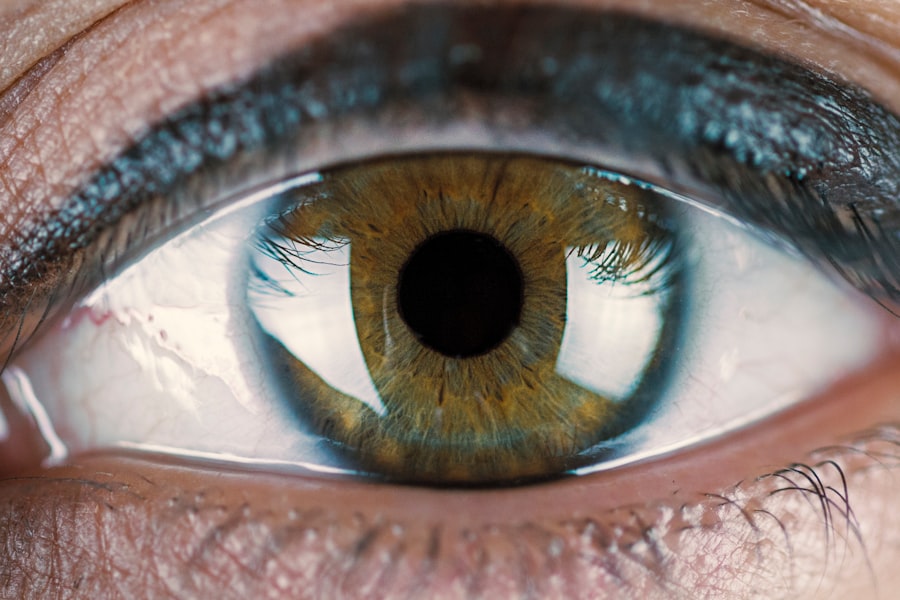
While many floaters are just part of life, there are specific situations where they can signal a more serious eye condition that requires immediate medical attention. Recognizing these signs is key to protecting your vision.
Sudden Increase in Floaters
If you notice a sudden and dramatic increase in the number of floaters you see, especially if it’s accompanied by other symptoms, it’s time to get it checked out. A peppered shower of new specks or lines appearing out of nowhere is not typical of simple age-related changes.
Flashes of Light
Another significant sign that warrants a visit to an eye doctor is the appearance of flashes of light, often described as lightning streaks, in your peripheral vision. These flashes can occur even in a dark room. They often happen when the vitreous gel is pulling on the retina, stimulating it and causing the sensation of light.
A Dark Curtain or Veil Over Vision
Perhaps the most concerning symptom is the sensation of a dark curtain, veil, or shadow descending over a part of your visual field. This is a hallmark sign that could indicate a retinal detachment, a serious condition where the retina pulls away from the back of the eye. This is a medical emergency.
Blurred Vision
If your floaters are accompanied by a noticeable blurring of your vision, this could also indicate an underlying issue. This blurring might be a direct result of a detached retina or other conditions affecting the clarity of your sight.
More Serious Causes of Floaters
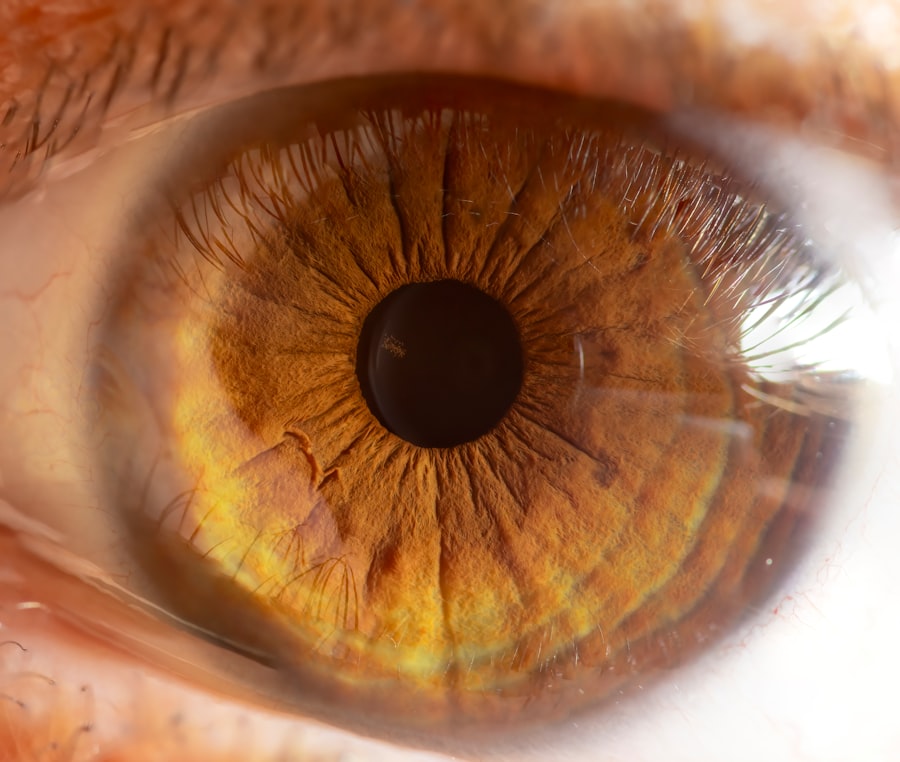
Beyond the common age-related changes, eye floaters can sometimes be symptoms of more significant medical conditions that affect the eye.
Retinal Detachment: The Most Urgent Concern
As mentioned, retinal detachment is the most critical reason to seek immediate ophthalmological care. When the retina detaches, it can no longer receive oxygen and nutrients, leading to vision loss if not treated promptly. The symptoms are often a sudden increase in floaters, flashes of light, and a shadow or curtain in the vision.
Retinal Tear
A retinal tear can precede a retinal detachment. It’s a small rip in the retina, often caused by the vitreous gel pulling away. A tear can cause sudden floaters and flashes. If left untreated, fluid can seep through the tear and lift the retina, causing a detachment. This is why seeing those symptoms is so important.
Vitreous Hemorrhage
A vitreous hemorrhage means there’s bleeding into the vitreous humor. This can happen due to various reasons, including diabetic retinopathy, trauma, or tears in retinal blood vessels. The blood can appear as a sudden increase in floaters, often described as a lot of tiny dots or a smoky appearance in your vision.
Uveitis: Inflammation Inside the Eye
Uveitis is inflammation within the uvea, the middle layer of the eye, which includes the iris, ciliary body, and choroid. This inflammation can cause cells and inflammatory debris to accumulate in the vitreous, leading to floaters. Other symptoms of uveitis can include eye pain, redness, and light sensitivity.
Posterior Uveitis and the Vitreous
Posterior uveitis specifically affects the back of the eye, including the retina and vitreous. This can lead to significant floater development. The inflammation can cause leakage from blood vessels and shed cells into the vitreous gel.
Diabetic Retinopathy
For individuals with diabetes, “diabetic retinopathy” is a significant concern. This condition damages the blood vessels in the retina. These damaged vessels can leak blood or fluid into the vitreous, causing floaters. In more advanced stages, abnormal blood vessels can grow, which are fragile and prone to bleeding, leading to a sudden increase in floaters.
Macular Degeneration
While macular degeneration primarily affects central vision, some forms can lead to symptoms that might be confused with floaters. However, true floaters are more commonly associated with vitreous or retinal issues.
Eye Trauma or Injury
A blow to the eye, or any significant trauma to the head that impacts the eye, can cause the vitreous to shift or bleed, resulting in the sudden appearance of floaters.
What to Do if You Notice New Floaters
| Topic | Details |
|---|---|
| What are Eye Floaters? | Small moving spots that appear in your field of vision |
| Causes | Age-related changes, inflammation in the back of the eye, bleeding in the eye, retinal tears, and more |
| When to Worry | If you suddenly see more floaters, flashes of light, or a loss of side vision |
| Diagnosis | Eye examination, including dilating your pupils |
| Treatment | Most floaters don’t require treatment, but surgery or laser therapy may be necessary in some cases |
If you’re experiencing new or significantly changed floaters, the most crucial step is to get your eyes examined by a qualified professional. Don’t try to self-diagnose or wait for them to disappear on their own.
See an Ophthalmologist or Optometrist Immediately
The advice is simple and direct: schedule an appointment with an ophthalmologist (an eye medical doctor) or an optometrist as soon as possible. They have the specialized equipment to examine the back of your eye and determine the cause of your floaters.
Comprehensive Eye Exam is Key
During the exam, the doctor will likely dilate your pupils using special eye drops. This allows them to get a clear view of the retina and vitreous. They will look for any signs of tears, detachments, bleeding, or inflammation.
Don’t Dismiss Flashes and Shadows
Specifically, mention any flashes of light or changes in your peripheral vision to the doctor. These symptoms, combined with new floaters, are particularly important indicators of potential trouble.
Follow-Up and Monitoring
If the cause of your floaters is deemed benign, your doctor might recommend regular check-ups to monitor for any changes. If a serious condition is diagnosed, they will outline the necessary treatment plan.
Managing Floaters When They Aren’t Serious
For most people, floaters are a mild nuisance rather than a debilitating problem. If your eye doctor has determined your floaters are not indicative of a serious issue, there are ways to manage them.
Acceptance and Adaptation
Often, the best approach for benign floaters is learning to live with them. Your brain is quite adept at filtering out these visual distractions over time. You might find they become less noticeable as you get used to them.
Avoiding Triggers
As noted earlier, bright, plain backgrounds can make floaters more apparent. If you find yourself bothered by them in specific situations, try to minimize your exposure or adjust your surroundings if possible. For instance, wearing sunglasses outdoors can help.
When Floaters Significantly Impact Vision
In rare cases, even if not medically urgent, floaters can become so prominent and bothersome that they interfere with daily activities like reading or driving. In such situations, a doctor might discuss treatment options.
Vitrectomy: A Surgical Option
A vitrectomy is a surgical procedure where the vitreous humor is removed and replaced with a clear solution. This is typically considered only for severe, vision-impairing floaters that haven’t responded to other management strategies and have been thoroughly investigated to rule out any underlying serious conditions. It is a significant surgery with its own risks.
Laser Vitreolysis: A Less Invasive Approach
Another potential treatment, though not universally recommended or effective for all types of floaters, is laser vitreolysis. This procedure uses a specialized laser to break down larger floaters into smaller, less noticeable pieces. The efficacy and suitability of this treatment depend on the type, size, and location of the floaters.
Your eyesight is incredibly precious. While floaters are often a harmless sign of getting older, being informed about when to seek professional help is one of the best things you can do for your vision health. If you notice any sudden changes or concerning symptoms, don’t hesitate to contact your eye doctor.
FAQs
What are eye floaters?
Eye floaters are small specks or spots that float around in your field of vision. They are actually tiny clumps of cells or material inside the vitreous, the gel-like fluid that fills the inside of your eye.
What causes eye floaters?
Eye floaters are caused by changes in the vitreous, such as aging, inflammation, or injury to the eye. As we age, the vitreous becomes more liquid, which can cause it to pull away from the retina and create clumps or strands that cast shadows on the retina, leading to the perception of floaters.
Are eye floaters a cause for concern?
In most cases, eye floaters are harmless and do not require treatment. However, if you suddenly experience a significant increase in the number of floaters, flashes of light, or a loss of peripheral vision, it could be a sign of a more serious condition such as a retinal tear or detachment, and you should seek immediate medical attention.
Can eye floaters be treated?
In many cases, eye floaters do not require treatment and may become less noticeable over time. However, if floaters are significantly affecting your vision, a vitrectomy, laser therapy, or other surgical procedures may be considered to remove or break up the floaters.
How can I prevent eye floaters?
There is no guaranteed way to prevent eye floaters, as they are often a natural part of the aging process. However, protecting your eyes from injury and maintaining overall eye health through regular eye exams and a healthy lifestyle may help reduce the risk of developing eye floaters.
