
Dry eye is a common condition that occurs when your eyes do not produce enough tears or when the tears evaporate too quickly. This can lead to discomfort, irritation, and even vision problems. The causes of dry eye can vary widely, ranging from environmental factors to underlying health issues. For instance, prolonged screen time, exposure to wind or smoke, and certain medications can all contribute to this condition. Additionally, age plays a significant role; as we get older, our tear production naturally decreases.
Symptoms of dry eye can manifest in several ways. You might experience a persistent feeling of dryness or grittiness in your eyes, which can be quite bothersome. Some people report a burning sensation or redness, while others may find that their eyes water excessively as a reflex to the dryness. In more severe cases, dry eye can lead to blurred vision or even damage to the surface of the eye. Recognizing these symptoms early on is crucial for effective management and treatment.
Lifestyle Changes for Dry Eye Relief
Making simple lifestyle changes can significantly alleviate the discomfort associated with dry eye. One of the most effective adjustments is to increase your fluid intake. Staying well-hydrated helps maintain moisture levels in your body, including your eyes. Aim for at least eight glasses of water a day, and consider incorporating foods with high water content, like fruits and vegetables, into your diet.
Another important change is to reduce screen time or take regular breaks if you work on a computer for extended periods. The 20-20-20 rule is a helpful guideline: every 20 minutes, look at something 20 feet away for at least 20 seconds. This practice not only helps reduce eye strain but also encourages blinking, which is essential for tear distribution. Additionally, consider using a humidifier in your home or office to add moisture to the air, especially during dry seasons.
Effective Home Remedies for Dry Eye
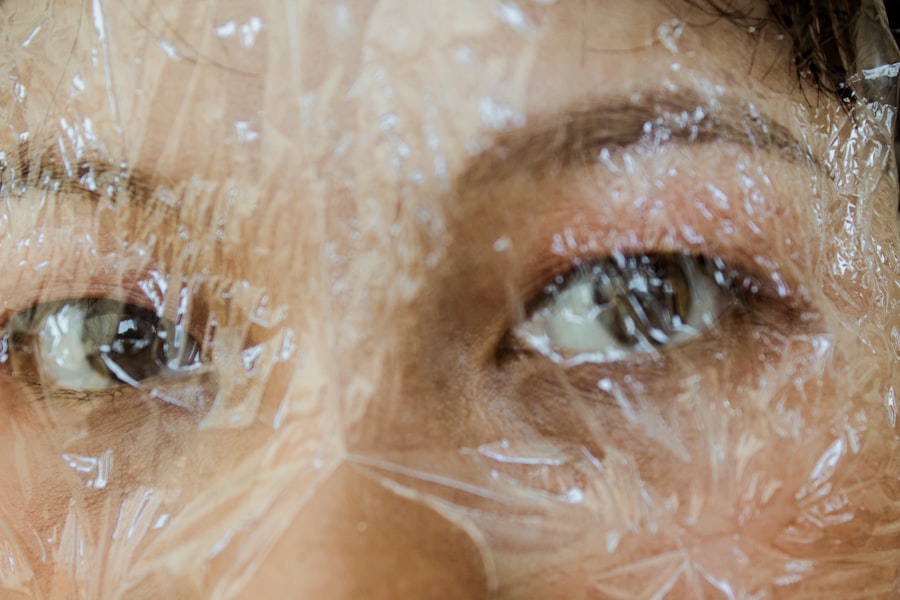
There are several home remedies that can provide relief from dry eye symptoms. One popular option is warm compresses. Applying a warm, damp cloth over your closed eyelids for about 10 minutes can help stimulate oil production in the glands of your eyelids, improving tear quality. This simple method can be particularly soothing and is easy to incorporate into your daily routine.
Another effective remedy is eyelid hygiene. Keeping your eyelids clean can help prevent blockages in the oil glands that contribute to dry eye. You can gently wash your eyelids with a mild soap or use commercially available eyelid wipes designed for this purpose. Regular eyelid hygiene not only helps with dry eye but also promotes overall eye health.
Over-the-Counter Solutions for Dry Eye
If lifestyle changes and home remedies aren’t providing enough relief, over-the-counter solutions may be worth considering. Artificial tears are one of the most common options available at pharmacies. These lubricating eye drops can help supplement your natural tears and provide immediate relief from dryness. There are various formulations available, so you might need to try a few to find one that works best for you.
In addition to artificial tears, there are also gel-based drops and ointments that offer longer-lasting relief, especially for nighttime use. These thicker formulations can help keep your eyes lubricated while you sleep. However, they may cause temporary blurred vision upon application, so it’s best to use them before bedtime.
Prescription Treatments for Dry Eye
| Tip | Description |
|---|---|
| Blink Regularly | Take breaks to blink regularly to keep your eyes moist. |
| Use a Humidifier | Keep the air in your home or office moist with a humidifier. |
| Stay Hydrated | Drink plenty of water to stay hydrated, which can help with dry eyes. |
| Wear Sunglasses | Protect your eyes from wind and sun by wearing sunglasses. |
| Follow the 20-20-20 Rule | Take a 20-second break every 20 minutes and look at something 20 feet away. |
For those with more severe dry eye symptoms that don’t respond to over-the-counter treatments, prescription options are available. One common prescription treatment is cyclosporine A (Restasis), which helps increase tear production by reducing inflammation in the eyes. This medication may take several weeks to show improvement, so patience is key.
Another option is lifitegrast (Xiidra), which works by targeting inflammation and helping to improve tear production as well. Both of these medications require a prescription from your healthcare provider and should be used under their guidance. In some cases, punctal plugs may also be recommended; these tiny devices are inserted into the tear ducts to help retain moisture on the surface of the eye.
Managing Dry Eye in the Workplace
Managing dry eye in a work environment can be challenging, especially if you spend long hours in front of a computer screen. To combat this issue, consider adjusting your workspace ergonomics. Position your computer screen at eye level and about an arm’s length away to minimize strain on your eyes. Additionally, ensure that your workspace is well-lit to reduce glare on your screen.
Taking regular breaks is crucial as well. Set reminders to step away from your computer every hour or so to give your eyes a rest. During these breaks, practice blinking exercises or look away from the screen to help refresh your eyes. If possible, consider using an anti-glare screen protector or blue light filter on your devices to further reduce eye strain.
Preventing Dry Eye in Different Environments
Different environments can exacerbate dry eye symptoms, so being proactive about prevention is essential. For instance, if you work in an air-conditioned office or spend time in heated indoor spaces during winter, consider using a humidifier to maintain moisture levels in the air. This simple addition can make a significant difference in how your eyes feel throughout the day.
When outdoors, protect your eyes from wind and sun exposure by wearing sunglasses with UV protection. Wraparound styles are particularly effective at shielding your eyes from environmental irritants. If you’re in a dusty or smoky area, try to limit exposure as much as possible and consider wearing protective eyewear if necessary.
Seeking Professional Help for Severe Dry Eye
If you’ve tried various remedies and treatments without success, it may be time to consult an eye care professional. They can conduct a thorough examination to determine the underlying cause of your dry eye symptoms and recommend appropriate treatments tailored to your needs. In some cases, additional tests may be necessary to assess tear production and quality.
Don’t hesitate to reach out for help if you’re experiencing significant discomfort or vision changes due to dry eye. Early intervention can prevent further complications and improve your quality of life. Remember that managing dry eye is often a multifaceted approach that may require ongoing adjustments and treatments based on your specific situation.
In conclusion, understanding dry eye and its causes is the first step toward finding relief. By making lifestyle changes, trying home remedies, exploring over-the-counter options, and seeking professional help when needed, you can effectively manage this condition and improve your overall eye health.
FAQs
What are the common symptoms of dry eye?
Common symptoms of dry eye include a stinging or burning sensation in the eyes, redness, sensitivity to light, blurred vision, and the feeling of having something gritty or foreign in the eye.
What are some common causes of dry eye?
Common causes of dry eye include aging, hormonal changes, environmental factors such as dry or windy conditions, prolonged screen time, certain medications, and underlying health conditions such as diabetes or rheumatoid arthritis.
What are some effective tips for relieving dry eye symptoms?
Effective tips for relieving dry eye symptoms include using artificial tears or lubricating eye drops, taking regular breaks from screen time, using a humidifier in dry indoor environments, wearing wraparound sunglasses outdoors, and maintaining a healthy diet rich in omega-3 fatty acids.
How can I prevent dry eye symptoms from worsening?
To prevent dry eye symptoms from worsening, it is important to avoid exposure to smoke and air pollution, take frequent breaks during prolonged screen time, stay hydrated, and avoid rubbing the eyes.
When should I seek professional help for my dry eye symptoms?
It is important to seek professional help for dry eye symptoms if they persist despite using over-the-counter remedies, if they significantly impact daily activities, or if there is severe pain, sudden changes in vision, or discharge from the eyes.
