
Let’s get straight to it: Does insurance pay for eye exams and glasses? The short answer is: it depends, but often, yes, at least partially. Most general health insurance plans don’t automatically cover routine eye exams or the cost of eyeglasses. However, many people have separate vision insurance, or a vision rider attached to their medical plan, that specifically addresses these needs. Understanding the distinctions between these types of coverage is key to knowing what you can expect.
Navigating insurance can feel like a maze, but for vision care, it boils down to a few common scenarios. It’s not as simple as a one-size-fits-all policy. Most of the time, if your employer offers a benefits package, you’ll find separate options for medical and dental, and then a distinct vision plan. If you purchase insurance directly, you’ll need to scrutinize the details of each policy.
Medical Insurance vs. Vision Insurance
The fundamental difference lies in what they’re designed to cover.
Medical Insurance’s Role
Your standard medical insurance is primarily for treating illnesses and injuries. It will cover a medically necessary eye exam if there’s a suspected disease or condition impacting your vision, like glaucoma, cataracts, or diabetic retinopathy. It might also cover emergency eye injuries. However, for a regular check-up to update your prescription or the prescription itself, it’s rarely included. Think of it as dealing with problems, not preventative maintenance.
Vision Insurance’s Purpose
Vision insurance, on the other hand, is specifically designed for routine vision care. Its main purpose is to make eye exams, prescription glasses (lenses and frames), and contact lenses more affordable. It typically works on a benefit schedule, meaning you pay a co-payment or a percentage of the cost, and the insurance covers the rest up to a certain limit. This is the type of coverage that will help you with those annual eye check-ups and when you need new spectacles.
Employer-Sponsored Plans
Many people get their vision coverage through their employer. These plans can vary significantly from one company to another.
Standard Dental, Medical, and Vision Packages
It’s common to see dental, medical, and vision offered as a bundled package or, more frequently, as separate elective benefits. When choosing, pay close attention to the vision plan details. Don’t assume that because you have great medical coverage, your eyes are automatically protected for routine care.
What to Look For in an Employer Vision Plan
When reviewing your employer’s benefit options, focus on these key areas for vision insurance:
- Exam coverage: What’s the co-payment for a routine eye exam? Is there an annual allowance?
- Lens coverage: What’s the allowance for prescription lenses? Are there limitations on lens types (e.g., anti-reflective coating, progressive lenses)?
- Frame coverage: How much will the plan contribute towards the cost of eyeglass frames?
- Contact lens coverage: If you wear contacts, what’s the allowance for them, and does it include fitting fees?
- Provider network: Does the plan require you to use specific optometrists or optical shops, or can you go anywhere and get reimbursed? Out-of-network benefits usually have higher out-of-pocket costs.
Deep Dive: Eye Exam Coverage
Routine eye exams are a cornerstone of maintaining good vision health. Whether your insurance chips in depends heavily on the type of insurance you have and the reason for the exam.
Routine Eye Exams Under Medical Insurance
As mentioned, standard medical insurance generally won’t cover routine eye check-ups. The focus is on diagnosing and treating conditions.
When Medical Insurance Might Step In
If you have a medical condition that affects your eyes, such as diabetes, high blood pressure, or autoimmune diseases, your medical insurance might cover eye exams performed specifically to monitor those conditions. For instance, a diabetic eye exam to check for retinopathy would likely be covered under your medical plan because it’s related to managing your diabetes. Similarly, if you experience sudden vision loss, flashing lights, or severe eye pain, that’s an emergency situation that medical insurance would typically cover.
Routine Eye Exams Under Vision Insurance
This is where vision insurance truly shines. It’s designed to make regular eye exams accessible.
Co-payments and Annual Benefits
Vision insurance plans usually have a co-payment for a routine eye exam. This is a fixed amount you pay at the time of service, often between \$10 and \$40. The plan then covers the rest of the exam cost. Some plans might have an annual allowance for the exam itself. It’s essential to know your co-pay amount before you go to the appointment.
Prescription Changes and Eye Health Assessment
A routine eye exam covers more than just updating your prescription. Optometrists check for early signs of eye diseases, assess your overall eye health, and can sometimes detect systemic health issues that haven’t manifested elsewhere. Vision insurance helps ensure you can afford these comprehensive checks.
Glasses and Contact Lens Coverage Breakdown
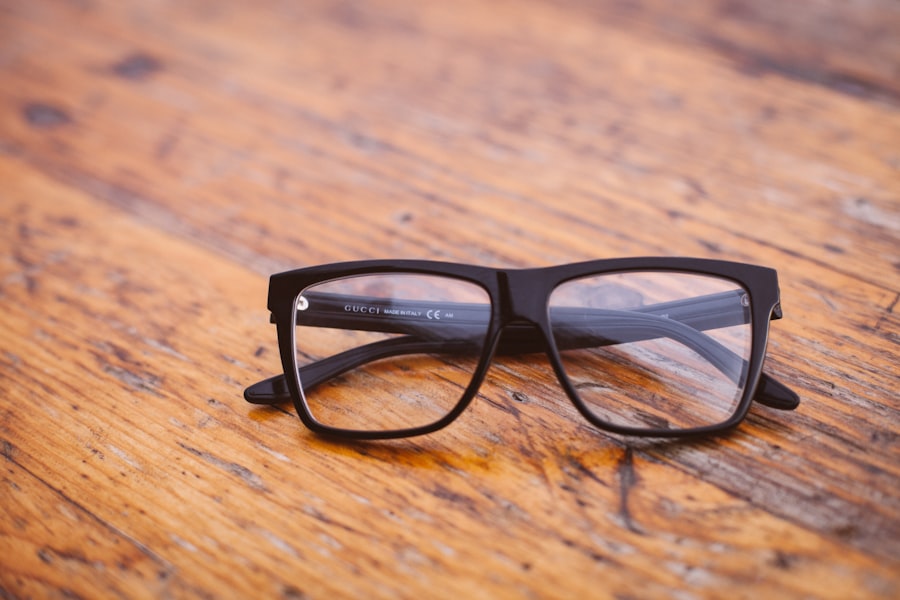
Once your exam reveals you need a prescription, the next step is getting the actual eyewear. This is another area where the type of insurance makes a big difference.
Eyeglass Coverage: Lenses and Frames
Most vision plans contribute a set amount towards the cost of both eyeglass lenses and frames.
Frame Allowances
You’ll typically find a frame allowance, which is the maximum amount your vision insurance will cover for the frames. This might be \$100, \$150, or more, depending on the plan. If you choose frames that cost more than your allowance, you’ll be responsible for the difference. It’s advisable to select frames within your allowance to maximize your benefit, or be prepared to pay the out-of-pocket cost for higher-end frames.
Lens Coverage and Upgrades
Lens coverage is also standard. Your plan will cover a portion of the cost of the prescription lenses. This often includes basic single-vision lenses. If you need bifocals, trifocals, progressives, or lenses for specific conditions like astigmatism, there might be an additional co-payment or a reduction in the frame allowance to cover these. Lens coatings, such as anti-reflective or scratch-resistant coatings, may also incur an extra cost or be partially covered depending on your plan.
Contact Lens Coverage
If you prefer contact lenses over glasses, your vision insurance can also help offset those costs.
Contact Lens Allowances
Instead of a frame allowance, contact lens plans usually offer an allowance that can be used towards the purchase of contact lenses. This might be a set dollar amount per year, or it could cover a certain number of boxes of contacts. The allowance might also include the cost of the contact lens fitting, which is a specialized exam to ensure the lenses fit properly and are comfortable.
Fitting Fees and Types of Lenses
The contact lens fitting fee is often a separate charge, and your vision plan may or may not cover it fully or partially. Be sure to ask about this. Some plans may have limitations on the types of contact lenses they will cover, or offer greater benefits for standard soft lenses compared to specialized rigid gas permeable lenses or toric lenses for astigmatism.
Navigating Your Eligibility and Limitations

Even with vision insurance, not every situation is covered, and there are often limits to what you can claim. Understanding these nuances will prevent surprises.
What Generally Isn’t Covered
Not everything related to vision is automatically covered, even by dedicated vision plans.
Non-Prescription Lenses and Accessories
Eyeglasses or sunglasses that are plano (meaning they have no prescription) are typically not covered by vision insurance, even if they are prescription-style frames. Similarly, accessories like lens cleaners, eyeglass chains, or cases are usually not covered.
Cosmetic Procedures and Eye Treatments
Procedures that are considered cosmetic, such as LASIK eye surgery or other vision correction surgeries, are generally not covered by standard vision insurance plans, although some employers offer separate riders or discounts for these. Treatments for eye conditions that are primarily cosmetic in nature would also fall outside the scope of typical vision benefits.
Waiting Periods and Network Restrictions
Many insurance plans, especially those obtained through employers, have specific rules and limitations you need to be aware of.
Waiting Periods for New Plans
When you first enroll in a vision insurance plan, especially if it’s a new benefit or you’ve just started a new job, there might be a waiting period before your benefits become active. This could be 30 days, 60 days, or even longer. During this time, any eye exams or purchases will be entirely out-of-pocket.
In-Network vs. Out-of-Network Providers
Vision insurance plans often operate with a network of preferred providers (optometrists and optical shops). If you use a provider within the network, your co-pays and out-of-pocket expenses will be lower. If you choose to see an out-of-network provider, you might have to pay the full cost upfront and then submit a claim for reimbursement, and the reimbursement amount is often less than what an in-network provider charges. Always check if your chosen eye doctor is in your plan’s network.
Making the Most of Your Vision Benefits
| Insurance Provider | Eye Exam Coverage | Glasses Coverage |
|---|---|---|
| Provider A | Yes | Yes |
| Provider B | Yes | Yes |
| Provider C | Yes | Yes |
To get the most value from your vision insurance, a proactive and informed approach is best.
Reviewing Your Policy Details
This is the most critical step. Don’t just assume you know what’s covered.
Understanding Your Summary of Benefits
Take the time to read your Summary of Benefits and Coverage (SBC) or the detailed policy document. Pay attention to the specific amounts covered for exams, lenses, frames, and contacts, as well as the co-payment structure. Knowing these details will help you budget and make informed decisions about where you spend your money.
Asking Questions
If anything is unclear, don’t hesitate to contact your insurance provider or your HR department if it’s an employer-sponsored plan. They can clarify what’s covered, what your out-of-pocket costs will be, and what documentation you need to submit for reimbursement.
Planning Your Visits and Purchases
Smart planning can save you money and ensure you utilize your benefits effectively throughout the year.
Utilizing Annual Benefits
Most vision plans allow for an exam and a pair of glasses or contacts once per benefit period, which is typically 12 months. If your benefits reset on a calendar year, plan your eye exam accordingly. If your prescription changes mid-year, and you already used your glasses benefit, you’ll likely have to wait until the next benefit period for coverage of a new pair.
Coordinating with Other Insurance
In some cases, especially for medically necessary eye conditions, you might have both medical and vision insurance that could apply. It’s often a good idea to understand which insurance is primary for a particular service. For example, a post-operative check after cataract surgery might be billed to medical insurance, while the glasses you need afterward could be covered by vision insurance. Clarify this with your providers and insurers to avoid billing confusion and unexpected costs.
FAQs
1. What is typically covered by insurance when it comes to eye exams and glasses?
Most insurance plans cover routine eye exams as part of preventive care. Some plans also provide coverage for prescription eyeglasses or contact lenses.
2. Are there any specific requirements or limitations for insurance coverage of eye exams and glasses?
Insurance coverage for eye exams and glasses may have specific requirements such as frequency of exams or age restrictions. Some plans may also have limitations on the type of frames or lenses covered.
3. How can I find out if my insurance covers eye exams and glasses?
To find out if your insurance covers eye exams and glasses, you can review your plan documents or contact your insurance provider directly. They can provide information on what is covered and any associated costs.
4. What if my insurance does not cover eye exams and glasses?
If your insurance does not cover eye exams and glasses, you may have the option to purchase a separate vision insurance plan or utilize flexible spending accounts (FSAs) or health savings accounts (HSAs) to help offset the costs.
5. Are there any alternative options for affordable eye exams and glasses if insurance does not cover them?
If insurance does not cover eye exams and glasses, some optometrists and optical retailers offer discounted packages or payment plans. Additionally, there are charitable organizations and community programs that provide free or low-cost eye care services for those in need.
