
Getting contact lenses for the first time involves a specific fitting appointment. This isn’t just about picking out lenses; it’s a detailed process to ensure comfort, clear vision, and eye health. Your ophthalmologist or optometrist will guide you through several steps, from a thorough eye exam to lens instruction and follow-up. This article breaks down what to expect during your initial contact lens fitting.
Before any discussion of contact lenses, your eye care professional needs a complete picture of your eye health and precise measurements. This isn’t just a basic vision check; it goes much deeper to ensure lenses are a safe and suitable option for you.
Visual Acuity Testing
This is probably the most familiar part of an eye exam. You’ll read letters from an eye chart to determine your current vision prescription. This helps the doctor understand the degree of correction needed for your new lenses. It’s important this is accurate, as even a small discrepancy can lead to blurry vision or discomfort. They might test each eye individually and then together, and you might be asked to read both small and large print from varying distances.
Refraction Assessment
While visual acuity tells them what you can see, refraction refines that. This is where your doctor uses a phoropter (that big machine with many lenses) or an automated refractor to determine the exact lens power required to give you the sharpest vision possible. They’ll ask you “which is better, one or two?” repeatedly. Don’t worry if you sometimes find it hard to decide, it’s a common experience. This part of the exam is crucial for getting the right prescription for your contact lenses, ensuring they provide optimal clarity.
Eye Health Evaluation
Your doctor will examine the overall health of your eyes. This includes looking for any signs of conditions like dry eyes, allergies, infections, glaucoma, or cataracts. They will use a slit lamp microscope to get a magnified view of your cornea, conjunctiva, iris, and lens. Any underlying eye conditions might affect whether you can wear contact lenses comfortably or safely. For instance, severe dry eye might mean daily disposables are a better option, or that you might need to use rewetting drops regularly. If there are any concerns, they’ll discuss them with you and potentially address them before proceeding with contact lens fitting.
Corneal Topography
One of the most critical measurements for contact lenses is corneal topography. This uses a specialized instrument to map the curvature of your cornea – the clear front part of your eye. The cornea isn’t always perfectly round; it can have slight irregularities. This detailed map helps your doctor select lenses that will fit precisely on your eye, minimizing friction and maximizing comfort. A good fit is essential not just for comfort, but also for ensuring adequate oxygen reaches the cornea and for tears to circulate properly beneath the lens. An ill-fitting lens can cause irritation, blurred vision, and even corneal damage over time.
Discussing Your Lifestyle and Lens Options
Your lifestyle plays a significant role in determining the most suitable type of contact lens for you. It’s not a one-size-fits-all solution, and your habits, hobbies, and work environment are all taken into account.
Daily Activities and Hobbies
Do you spend a lot of time on a computer? Are you an avid swimmer? Do you play sports? These questions help your doctor understand the demands you put on your eyes and the environment your lenses will be in. For example, athletes might benefit from daily disposables for hygiene and convenience, while someone working in a dusty environment might need lenses that offer better hydration. Your doctor will ask about your typical day to gauge your needs.
Wearing Schedule Preferences
How often do you plan to wear your lenses? Daily? A few times a week? Full-time? This affects the type of lens recommended. Daily disposables are worn once and then thrown away, offering maximum hygiene and no cleaning routine. Bi-weekly or monthly lenses require cleaning and storage. There are also extended wear lenses that can be worn for several days continuously, even while sleeping, though these come with higher risks and aren’t suitable for everyone. Discussing your desired wearing schedule helps narrow down the options.
Budget Considerations
Contact lenses come at various price points. Daily disposables tend to be more expensive over time due to the higher volume of lenses, but they eliminate the cost of cleaning solutions and cases. Bi-weekly or monthly lenses might have a lower per-lens cost but require additional purchases of cleaning solutions. Your doctor will discuss the financial aspects of different lens types and help you find an option that fits your budget without compromising eye health.
Types of Contact Lenses
There are several main types of contact lenses, each with its own benefits and considerations:
- Soft Lenses: These are the most common type, made from soft, flexible plastics that allow oxygen to pass to the cornea. They are generally comfortable immediately.
- Daily Disposables: Worn once, then discarded. Most convenient and hygienic.
- Two-Week/Monthly Disposables: Worn for two weeks or a month, respectively, with daily cleaning and storage.
- Toric Lenses: Designed to correct astigmatism, which is an irregular curvature of the cornea.
- Multifocal/Bifocal Lenses: For presbyopia, allowing clear vision at multiple distances.
- Rigid Gas Permeable (RGP) Lenses: Made from rigid, durable plastic, these lenses allow oxygen to pass through them. They offer very sharp vision and are often prescribed for complex prescriptions or conditions like keratoconus. They require an adaptation period but can be very comfortable once accustomed.
- Hybrid Lenses: Combine a rigid center with a soft skirt, aiming to provide the comfort of soft lenses with the sharp vision of RGPs.
Your doctor will explain these options in more detail and recommend what they believe is best for your specific case.
The Contact Lens Trial
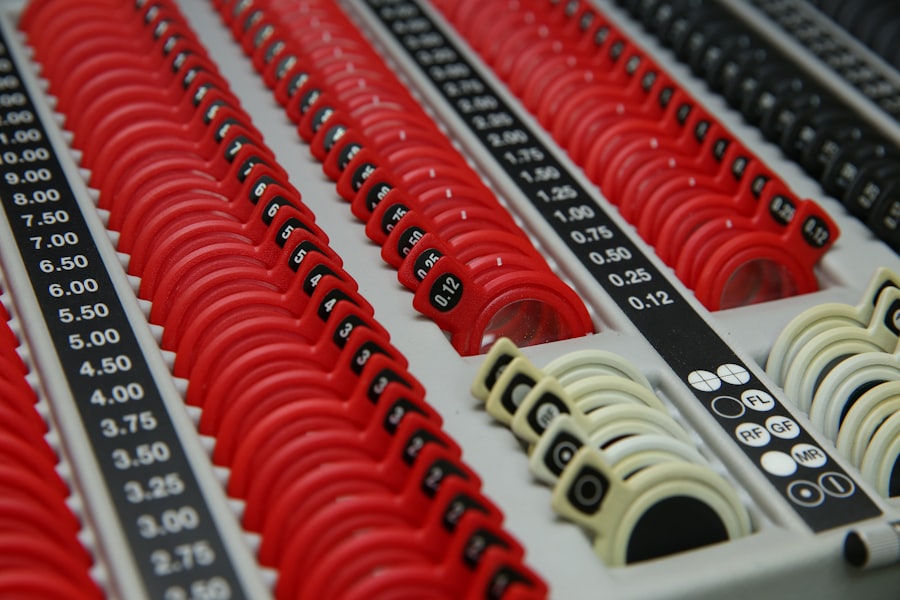
Once your doctor has a good understanding of your eyes and lifestyle, the next step is to actually try on some lenses. This is a crucial part of the fitting process where you get to experience the lenses firsthand.
Inserting and Removing Lenses
For first-time wearers, inserting and removing contact lenses can feel a bit daunting. Your eye care professional or a trained technician will provide thorough, step-by-step instructions. They’ll show you the correct handwashing techniques, how to handle the lens, and the proper way to insert it onto your eye. You’ll practice this several times until you feel comfortable and confident doing it yourself. They’ll also teach you how to safely remove the lenses without causing irritation or damage. It’s common to struggle at first, but with patience and practice, it becomes second nature.
Wearing Time and Initial Comfort Assessment
After you’ve successfully inserted the trial lenses, you’ll usually be asked to wear them for a short period in the office. This allows your doctor to assess the fit and your initial comfort. They will check how the lens sits on your eye, how it moves with your blinks, and if it’s providing clear vision. They’ll use the slit lamp again to observe the lens positioning and ensure it’s not too tight or too loose, which could lead to complications. This immediate feedback helps them confirm they’ve selected the right initial lenses or if adjustments are needed.
Vision Check with Trial Lenses
While wearing the trial lenses, your doctor will perform another vision check. This is different from the initial refraction; now they are checking your vision with the actual lenses in place. You might read the eye chart again to ensure the lenses are providing optimal clarity and that your vision is sharp and stable. Sometimes, a slight adjustment to the power is needed once the lens is on the eye, as the interaction between the lens and your tear film can subtly alter the vision.
Discussing Any Discomfort or Issues
It’s important to be honest and vocal during this stage. If you feel any discomfort, blurriness, or dryness, communicate this to your doctor. They can often make immediate adjustments or try a different brand or type of lens. Your feedback is vital for a successful fitting. Don’t feel pressured to say everything is fine if it isn’t. This is your opportunity to voice concerns and ensure the lenses are truly comfortable.
Contact Lens Care and Hygiene Instruction

Proper care and hygiene are paramount for safe contact lens wear. Neglecting these steps can lead to serious eye infections and complications. Your eye care professional will spend significant time ensuring you understand how to maintain your lenses.
Handwashing Procedures
This is the first and most critical step. You’ll be instructed to always wash your hands thoroughly with soap and water and dry them with a lint-free towel before handling contact lenses. This prevents the transfer of bacteria and debris from your hands to your eyes and lenses. Even a small amount of dirt can cause irritation or infection.
Cleaning and Disinfecting Solutions (for Reusable Lenses)
If you opt for bi-weekly or monthly lenses, you’ll learn about the appropriate cleaning and disinfecting solutions. There are various types, such as multi-purpose solutions and hydrogen peroxide systems.
- Multi-purpose solutions clean, rinse, disinfect, and store your lenses. You’ll be shown how to rub and rinse your lenses with the solution before placing them in a clean case filled with fresh solution for disinfection.
- Hydrogen peroxide systems offer effective disinfection but require careful handling as the solution must be neutralized before the lenses are worn. Your doctor will explain which type of solution is best for your specific lenses and how to use it correctly. Never use tap water, saliva, or any other liquid not specifically approved for contact lenses.
Storage and Replacement Schedule
You’ll be taught how to properly store your lenses in a clean lens case filled with fresh solution. Instructions will include replacing the solution daily, even if you don’t wear your lenses every day, and replacing the lens case every few months to prevent bacterial buildup. Crucially, you will be given a strict replacement schedule for your lenses (daily, bi-weekly, or monthly). Sticking to this schedule is vital, even if the lenses feel okay, as they degrade over time and can accumulate deposits that lead to discomfort and infection.
Recognizing Signs of Infection or Irritation
Your doctor will educate you on what to look for that might indicate an eye problem. Symptoms like redness, pain, excessive tearing, discharge, light sensitivity, or sudden blurred vision are all red flags. You’ll be advised to remove your lenses immediately if you experience any of these symptoms and contact your eye care professional without delay. Knowing these signs empowers you to act quickly if an issue arises.
Follow-up Appointments and Ongoing Care
| Steps | Description |
|---|---|
| Step 1 | Initial Consultation: Discuss your eye health history and lifestyle to determine if contact lenses are a good fit for you. |
| Step 2 | Eye Examination: Comprehensive eye exam to measure your eye’s surface and internal health. |
| Step 3 | Contact Lens Fitting: Trial lenses are placed on your eyes to determine the best fit and prescription. |
| Step 4 | Educational Session: Learn how to insert, remove, and care for your contact lenses. |
| Step 5 | Follow-Up Visits: Check the fit and comfort of the lenses and make any necessary adjustments. |
Getting your first pair of contact lenses is not a one-time event. Follow-up appointments are essential to ensure long-term comfort and eye health.
Initial Follow-up Visit
Typically, a follow-up appointment is scheduled a week or two after your initial fitting. This visit is critical. Your doctor will check how your eyes are adapting to the lenses and if there are any issues that have developed since you started wearing them at home. They will examine your eyes again with the slit lamp to ensure the lenses are still fitting well, that your corneas are healthy, and that there are no signs of irritation or complications. This is another opportunity to discuss any discomfort, dryness, or vision fluctuations you might have experienced since leaving the office. Adjustments to lens type, material, or wearing schedule can be made at this stage if needed.
Annual Eye Exams
Even if your lenses feel fine, annual comprehensive eye exams are crucial for all contact lens wearers. During these exams, your doctor will not only re-evaluate your prescription but also thoroughly check the health of your eyes, specifically looking for any long-term effects of contact lens wear. This might include assessing for corneal neovascularization (new blood vessel growth), dry eye syndrome exacerbated by lenses, or other contact lens-related complications that can develop silently over time. Your contact lens prescription is often separate from your glasses prescription and usually expires annually, requiring a new fitting or evaluation to continue purchasing lenses.
Updating Your Prescription
Your vision can change over time, and your contact lens prescription may need periodic updates. During your annual exam, your doctor will determine if your current prescription is still providing optimal vision. If not, they will refine it to ensure you continue to see clearly and comfortably. It’s important to never try to wear an expired prescription or lenses that are not specifically prescribed for you, as this can lead to discomfort, poor vision, and potential eye health issues.
Adhering to Doctor’s Recommendations
Your eye care professional’s advice regarding lens type, wearing schedule, care solutions, and replacement schedule is based on your individual eye health and needs. Adhering to these recommendations is fundamental to safe and successful contact lens wear. Skipping cleaning steps, extending the life of your lenses beyond the recommended period, or using non-approved solutions can significantly increase your risk of discomfort, infection, and even serious vision-threatening complications. Always follow your doctor’s instructions meticulously for the best possible experience and eye health.
FAQs
What is a contact lens fitting appointment?
A contact lens fitting appointment is a specialized eye exam that determines the best type of contact lenses for an individual’s eyes. It involves measurements of the eye’s surface, evaluation of the tear film, and assessment of the eye’s health to ensure proper fit and comfort.
What can I expect during a contact lens fitting appointment?
During a contact lens fitting appointment, the eye doctor will assess the patient’s eye health, measure the curvature of the cornea, and determine the appropriate size and type of contact lenses. The doctor will also provide instructions on how to insert, remove, and care for the contact lenses.
How long does a contact lens fitting appointment take?
A contact lens fitting appointment typically takes about 30 to 60 minutes, depending on the complexity of the patient’s prescription and any underlying eye conditions that need to be addressed.
Do I need a prescription for contact lenses before the fitting appointment?
Yes, a prescription for contact lenses is required before the fitting appointment. The prescription will specify the type of contact lenses, the correct power, and any special instructions for the eye doctor to consider during the fitting process.
What should I bring to a contact lens fitting appointment?
Patients should bring their current eyeglasses, contact lenses (if applicable), and any relevant medical history or information about their eye health to the contact lens fitting appointment. It’s also important to bring a list of any medications or allergies that may be relevant to the fitting process.
