
When you’re staring at screens for hours on end, your eyes can start feeling like they’ve run a marathon. You might experience dryness, blurriness, headaches, and that general feeling of grogginess. The good news is that the right glasses can offer some much-needed relief. So, what are the best glasses for reducing eye fatigue? Generally, they fall into a few categories: those with blue light filtering, prescription lenses designed for screen use, and even specific lens coatings.
Before we dive into solutions, let’s get a handle on what’s causing the discomfort. This common issue, often called digital eye strain or computer vision syndrome, is a real thing. It happens when our eyes have to work harder than usual to focus on digital screens, which emit light differently than printed text.
The Culprits Behind the Glare
It’s not just one thing that leads to tired eyes. Several factors contribute to the problem, and understanding them helps in finding the most effective eyewear.
Prolonged Screen Time
The most obvious cause is simply spending too much time looking at phones, tablets, computers, and TVs. These devices are everywhere in our modern lives, and our eyes aren’t naturally equipped for such prolonged, close-up visual tasks.
Blue Light Emission
Digital screens emit a significant amount of blue light. While blue light is a natural part of sunlight and helps regulate our sleep cycles, the artificial blue light from screens can be disruptive and contribute to eye strain.
Reduced Blinking Rate
When we’re focused on a screen, we tend to blink less. Blinking is essential for keeping our eyes lubricated. Less blinking means drier eyes, which can translate to irritation and fatigue.
Poor Lighting Conditions
Working in dimly lit rooms or rooms with excessive glare from overhead lights or windows can also burden your eyes. Your eyes have to constantly adjust, leading to strain.
Blue Light Blocking Glasses: A Popular Choice
You’ve likely seen or heard about blue light blocking glasses. They’ve become a go-to solution for many people experiencing digital eye strain. The idea is simple: they filter out a portion of the blue light emitted by electronic devices.
How Do They Work?
These glasses have a special coating or are made with materials that absorb or reflect blue light wavelengths. The amount of blue light filtered can vary depending on the brand and type of lens.
The Science Behind the Filter
Blue light exists on the visible light spectrum and has shorter, higher-energy wavelengths. While research is ongoing, some studies suggest that overexposure to this artificial blue light, especially in the evenings, can interfere with melatonin production and sleep. Proponents of these glasses argue that by reducing this exposure during screen use, eye strain and sleep disruption can be lessened.
What to Look For in Blue Light Glasses
Not all blue light glasses are created equal. Some offer a slight tint, while others are virtually clear. The tint can sometimes affect color perception, which might be an issue for designers or artists.
Lens Tint and Clarity
A slight yellow or amber tint is common and generally indicates a higher level of blue light filtration. If color accuracy is critical for your work, you might opt for clearer lenses that filter less, or try them out to see if the tint bothers you.
Filtration Percentage
Manufacturers often claim a certain percentage of blue light blocked. It’s helpful to look for this information. However, keep in mind that “blue light” itself isn’t always clearly defined in terms of the specific wavelengths being filtered. It’s worth noting that they don’t block all blue light, but rather a specific range.
Are They a Cure-All?
While blue light glasses can be beneficial for many, they aren’t a magic bullet. They help address one aspect of digital eye strain, but other factors like blinking habits and screen distance still play a significant role.
Prescription Lenses for Computer Use

For those who already wear glasses for vision correction, prescription lenses specifically designed for computer work can make a substantial difference. These lenses take into account the unique demands of screen viewing.
Tailoring Lenses for Your Workstation
These aren’t just regular distance or reading glasses. They are optimized for the specific focal distances you use when working at a computer.
Computer-Specific Lenses
These lenses are often crafted with a wider field of vision than standard bifocals or progressives, allowing you to move your head more naturally without losing focus. The intermediate and near zones are precisely calculated to match typical computer viewing distances.
Progressive Lenses with a Computer Zone
If you need correction for both distance and near vision, specialized progressive lenses can be a great option. They include an added “computer zone” that’s wider and designed for arm’s length viewing, unlike the narrow corridor for near vision in traditional progressives.
Anti-Reflective (AR) Coatings
This is a crucial addition for any computer glasses, whether prescription or not. An anti-reflective coating significantly reduces glare from your screen and overhead lighting.
The Benefits of AR Coatings
Glare forces your eyes to work harder to see clearly. By minimizing it, AR coatings allow more light to reach your eyes, leading to sharper vision and less strain. They also make the lenses appear clearer to others, so people don’t see reflections of your eyes.
Consulting Your Optometrist
It’s important to discuss your screen time habits and any eye fatigue symptoms with your eye care professional. They can assess your needs and recommend the best prescription lens options for your specific situation.
Lens Coatings to Reduce Eye Strain
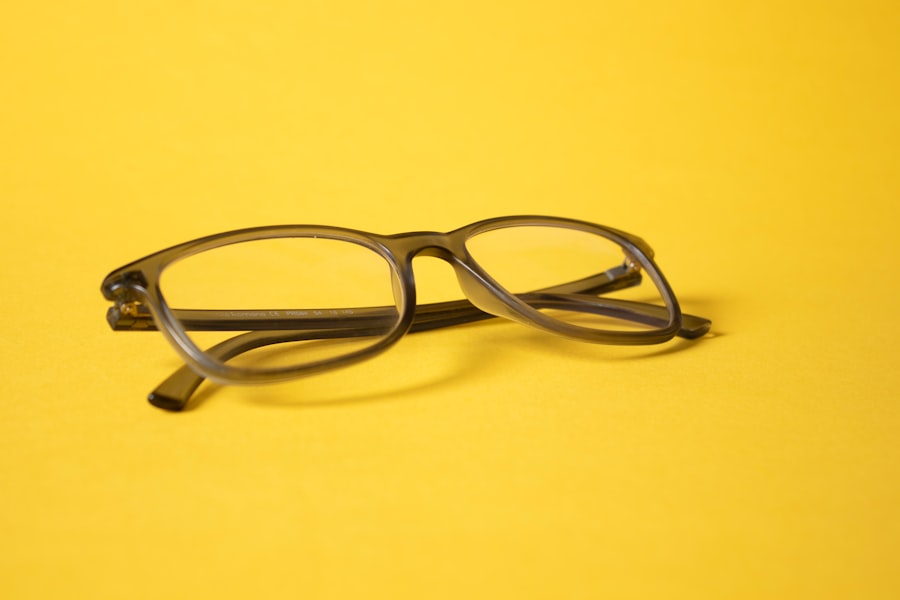
Beyond blue light filters and prescription adjustments, various lens coatings can enhance comfort and reduce fatigue. These are often added to prescription lenses, but some are available independently.
Beyond Basic Protection
These coatings target specific issues that contribute to eye strain, offering a more comprehensive approach to visual comfort.
Anti-Glare/Anti-Reflective (AR) Coatings
As mentioned, AR coatings are incredibly effective. They eliminate reflections on the front and back surfaces of your lenses, allowing your eyes to relax.
How AR Coatings Work
AR coatings are made up of multiple microscopic layers of materials. These layers interfere with light waves, causing reflections to cancel each other out.
Scratch-Resistant Coatings
While primarily for durability, a good scratch-resistant coating means your lenses stay clearer for longer. Scratches can scatter light, which can make focusing harder and contribute to strain.
Hydrophobic and Oleophobic Coatings
These coatings repel water and oil, respectively. This means smudges from fingerprints or water droplets are less likely to adhere to the lens surface. Cleaner lenses mean clearer vision and less effort for your eyes.
The Effectiveness of Coatings
While some coatings are more about lens longevity and ease of cleaning, the anti-reflective property is directly linked to reducing eye fatigue by improving visual clarity and reducing the effort required to see.
Non-Prescription Solutions and Lifestyle Adjustments
| Glasses Brand | Price Range | Lens Type | Blue Light Filter | UV Protection |
|---|---|---|---|---|
| Brand A | 50 – 100 | Anti-reflective | Yes | Yes |
| Brand B | 100 – 150 | Blue light blocking | Yes | Yes |
| Brand C | 150 – 200 | Photochromic | Yes | Yes |
It’s not always about buying new glasses. Sometimes, simple adjustments to your existing eyewear or your habits can provide significant relief.
Enhancing Existing Eyewear
If you already wear glasses, you might be able to add coatings or even update them without a new prescription.
Adding an AR Coating to Current Glasses
Many opticians can add an anti-reflective coating to your existing prescription lenses. This can be a cost-effective way to improve your visual comfort without getting entirely new glasses.
Using Computer Glasses Over Contacts
If you wear contact lenses, you might consider wearing over-the-counter “computer glasses” or blue light blocking glasses on top of them for extended screen use.
The Crucial Role of Lifestyle
Even with the best glasses, your habits matter. Making conscious changes can significantly impact how your eyes feel.
The 20-20-20 Rule
This is a classic for a reason. Every 20 minutes, look at something 20 feet away for at least 20 seconds. This simple exercise helps your eye muscles relax.
Practicing the 20-20-20 Rule
Set a timer or use an app to remind yourself. It takes a conscious effort at first, but it quickly becomes a habit. The goal is to break the intense focus on the screen.
Optimizing Your Ergonomics
Ensure your workstation is set up correctly. This includes the distance of your screen from your eyes, the height of your monitor, and proper lighting.
Screen Distance and Height
Ideally, your screen should be about an arm’s length away, and the top of the monitor should be at or slightly below eye level. This reduces neck and eye strain.
Hydration and Blinking
Remember to blink! Consciously make an effort to blink more frequently. Staying hydrated also helps your body, including your eyes, function better.
When to Seek Professional Advice
While these tips and glasses can help, persistent or severe eye strain symptoms warrant a visit to an eye care professional.
Recognizing the Signs
Don’t ignore recurring discomfort. It could be a sign of an underlying issue.
Persistent Symptoms
If you experience ongoing headaches, blurred vision that doesn’t resolve, or significant eye discomfort that isn’t alleviated by these measures, it’s time to consult an optometrist or ophthalmologist.
Changes in Vision
Any sudden changes in your vision, such as increased light sensitivity or persistent floaters, should be evaluated promptly.
The Optometrist’s Role
An eye exam can reveal vision problems you might not be aware of, such as uncorrected refractive errors, convergence insufficiency, or dry eye syndrome.
Comprehensive Eye Exams
A thorough eye exam goes beyond checking your visual acuity. It assesses the overall health of your eyes and how well they work together.
Assessing Eye Muscle Function
Optometrists can check how well your eyes track and focus together, which is crucial for reducing strain during prolonged visual tasks.
Personalized Recommendations
Based on your exam, your eye care professional can provide tailored advice, recommend specific types of lenses, or suggest treatment options for conditions like dry eye. They can also ensure your prescription is up-to-date and appropriate for your daily visual demands.
FAQs
What are the best types of glasses for reducing eye fatigue?
The best types of glasses for reducing eye fatigue are those with blue light blocking lenses, anti-glare coatings, and a proper prescription for your vision needs.
How do blue light blocking glasses help reduce eye fatigue?
Blue light blocking glasses help reduce eye fatigue by filtering out the harmful blue light emitted from digital screens, which can cause eye strain, headaches, and disrupted sleep patterns.
What is the benefit of anti-glare coatings on glasses for reducing eye fatigue?
Anti-glare coatings on glasses help reduce eye fatigue by minimizing reflections and glare from digital screens and artificial lighting, which can cause discomfort and strain on the eyes.
Are there specific lens tints that are better for reducing eye fatigue?
Yes, yellow or amber tinted lenses are known to be effective in reducing eye fatigue by increasing contrast and reducing the strain on the eyes, especially in low-light conditions.
How can I determine the best glasses for reducing my eye fatigue?
To determine the best glasses for reducing eye fatigue, it is recommended to consult with an eye care professional who can assess your specific vision needs and recommend the most suitable options for your individual requirements.
