
Are prescription sunglasses worth the investment? For many, the answer is a resounding yes. If you already wear prescription glasses, having sunglasses with your specific vision correction built-in offers convenience, safety, and comfort that traditional over-the-counter options simply can’t match. No more fumbling with clip-ons or trying to fit large sunglasses over your regular frames.
When considering prescription sunglasses, think about the practical benefits they bring to your daily life. They’re not just a luxury; they’re a tool for better vision and eye protection outdoors.
Uninterrupted Vision and Comfort
Imagine driving on a sunny day. With prescription sunglasses, you get perfect clarity without the awkwardness of clip-ons or the discomfort of contacts.
- Seamless Transition: You switch between indoor and outdoor environments without a break in clear vision.
- Reduced Eye Strain: Your eyes aren’t working overtime to compensate for bright light while simultaneously struggling with an incorrect prescription (which can happen with poorly fitted over-the-counter options). This means fewer headaches and less fatigue at the end of the day.
Enhanced Safety While Driving or Outdoors
Good vision is paramount for safety, especially when you’re behind the wheel or engaging in outdoor activities.
- Optimal Road Visibility: Glare from the sun can hide hazards. Prescription sunglasses cut through that glare, giving you a clearer view of the road, other vehicles, and pedestrians.
- Activity-Specific Benefits: Whether you’re cycling, hiking, or fishing, having clear, protected vision helps you better assess your surroundings and react quickly.
- No More Fumbling: You avoid situations where you might have to quickly swap glasses, which could distract you during critical moments.
Superior UV Protection
This is where prescription sunglasses truly shine compared to many cheaper alternatives. Protecting your eyes from harmful UV rays is critical for long-term eye health.
- Comprehensive Coverage: Quality prescription lenses offer 100% UVA and UVB protection, safeguarding your eyes from potential damage.
- Reduced Risk of Eye Diseases: Regular exposure to UV radiation can contribute to conditions like cataracts and macular degeneration over time. Prescription sunglasses are a preventative measure.
- Custom Coating Options: Beyond UV protection, you can often add anti-reflective coatings to reduce glare further, or polarized filters to eliminate horizontal glare from surfaces like water or asphalt.
Understanding the Costs Involved
Let’s talk money. The cost of prescription sunglasses can be a deterrent for many, but breaking down the components can help you understand the value you’re getting.
Components of the Price
Several factors contribute to the final price tag of your prescription sunglasses.
- Frame Choice: Just like regular glasses, the brand, material, and design of the frame will heavily influence the cost. High-end designer frames will naturally be more expensive than basic options.
- Lens Type and Material: This is often the biggest cost driver.
- Single Vision vs. Progressive: Single vision lenses for one focal distance are typically less expensive. Progressive lenses, which correct for multiple focal distances without a visible line, are more complex to manufacture and carry a higher price.
- High-Index Lenses: If you have a strong prescription, thinner, lighter high-index lenses will add to the cost but provide better aesthetics and comfort.
- Polycarbonate or Trivex: These materials are impact-resistant and ideal for safety, but cost more than standard plastic lenses.
- Lens Coatings and Treatments: These enhancements improve performance and durability.
- Polarization: This feature significantly reduces glare and is often a premium add-on.
- Anti-Reflective Coating: Reduces reflections on the lens surface, improving clarity and reducing eye strain.
- Scratch-Resistant Coating: A standard but valuable addition, especially for outdoor use.
- Mirror Coating: A cosmetic choice that reflects light away from the eyes but often adds to the cost.
Insurance and Flexible Spending Accounts (FSAs/HSAs)
Don’t overlook these avenues for reducing your out-of-pocket expenses.
- Vision Insurance Benefits: Many vision insurance plans cover a portion of prescription eyewear, including prescription sunglasses. Check your plan details for allowances for frames and lenses. Sometimes, they’re considered a “second pair” or fall under a general eyewear benefit.
- Tax-Advantaged Accounts: Both Flexible Spending Accounts (FSAs) and Health Savings Accounts (HSAs) allow you to use pre-tax dollars for eligible medical expenses, which typically includes prescription sunglasses. This can lead to significant savings.
Alternatives and When They Might Suffice
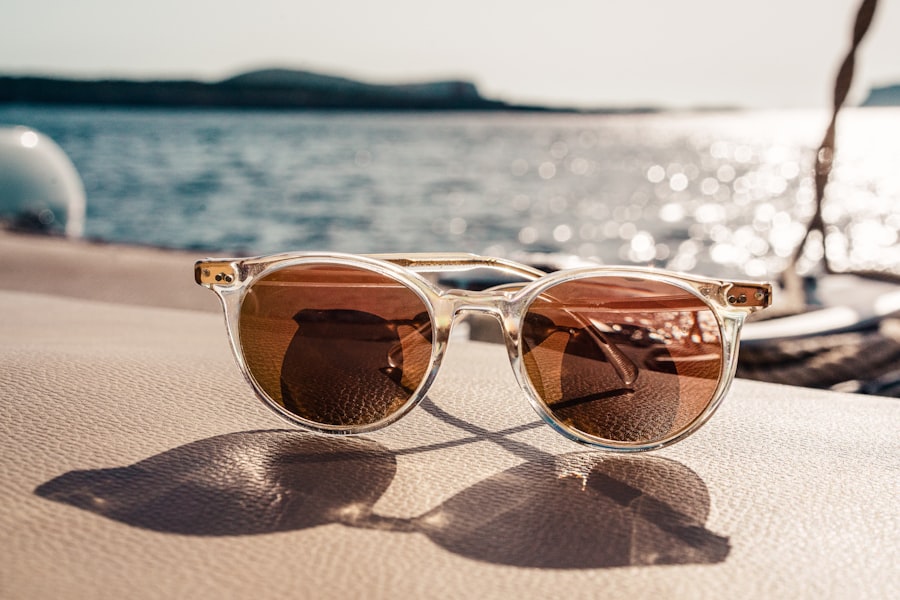
While prescription sunglasses offer the most comprehensive solution, there are other options for those who might not need or want to invest in a dedicated pair.
Clip-On Sunglasses
These attach directly to your existing prescription glasses.
- Pros: Inexpensive, convenient for occasional use, and you use your current prescription.
- Cons: Can look bulky or unfashionable, can scratch your regular lenses, and prone to falling off. Some people find they interfere with peripheral vision.
- Best For: Individuals who only need sun protection sporadically and prefer not to carry an additional pair of glasses.
Over-the-Glasses (OTG) Sunglasses
Designed to fit over your regular prescription frames.
- Pros: Affordable, provide good coverage, and utilize your current prescription.
- Cons: Often bulky, can be cumbersome, and might not offer the same level of aesthetic appeal as integrated prescription sunglasses.
- Best For: Those looking for a budget-friendly option with good coverage for activities like driving or gardening, where fashion might not be a primary concern.
Photochromic Lenses (Transitions)
These lenses darken automatically when exposed to UV light and lighten indoors.
- Pros: One pair of glasses for both indoor and outdoor use, convenient, and provide UV protection.
- Cons: Don’t darken as much in a car (due to windshields blocking UV), can take time to fully lighten or darken, and might not get as dark as true sunglasses. The speed of transition can vary with temperature.
- Best For: Individuals who want a single pair of glasses for everyday wear and don’t require the darkest tint possible for intense sunlight or driving in bright conditions.
Contact Lenses with Non-Prescription Sunglasses
If you wear contact lenses, you can simply pair them with any non-prescription sunglasses.
- Pros: Most flexible option for frame choice, allows for various styles and trends, and often more affordable overall than prescription sunglasses.
- Cons: Requires wearing contacts, which isn’t suitable for everyone. Some extended outdoor activities might cause dry eyes with contacts. You still need a backup pair of regular glasses.
- Best For: Contact lens wearers who prioritize fashion or want to easily switch sunglass styles without changing their vision correction.
Considerations Before You Buy
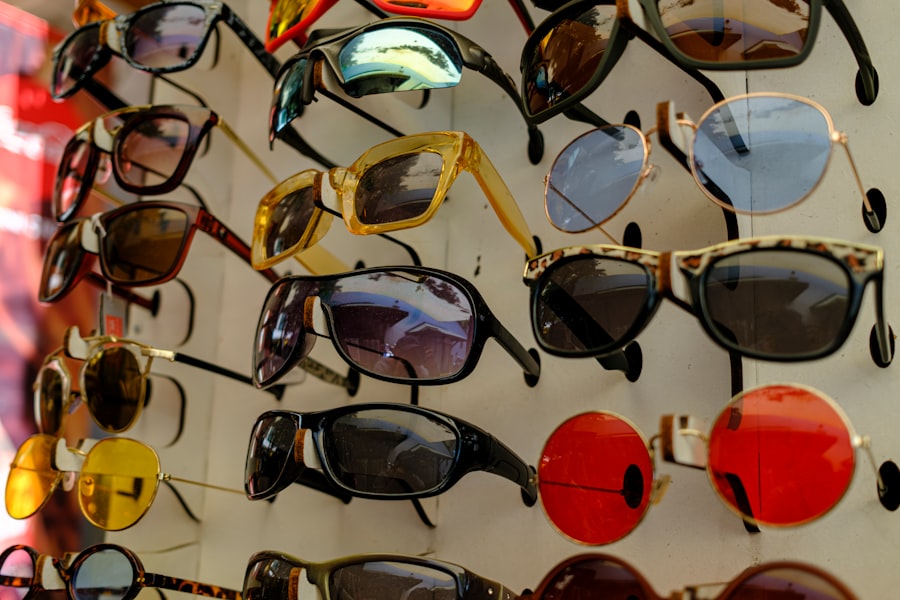
Making an informed decision involves thinking through your personal needs and preferences.
Your Lifestyle and Activities
Your daily routine and hobbies should heavily influence your choice.
- Daily Commuters: If you spend a lot of time driving, prescription sunglasses drastically improve safety and comfort by eliminating glare.
- Outdoor Enthusiasts: For activities like hiking, cycling, fishing, or boating, precise vision and robust UV protection are not just beneficial; they’re essential. Polarization becomes particularly valuable here.
- Frequent Travelers: Having a dedicated pair simplifies travel, removing the need to carry multiple glasses or fumbling with attachments.
- Indoor/Outdoor Professionals: If your job involves frequent transitions between light conditions (e.g., construction, landscaping), photochromic lenses might be a practical solution.
Prescription Strength and Type
Your specific vision needs play a significant role.
- Strong Prescriptions: Individuals with strong prescriptions often benefit most from integrated prescription sunglasses, as alternatives like clip-ons might distort vision or look awkward. High-index lenses are often recommended for aesthetics and comfort.
- Progressive Lenses: If you use progressive lenses for multifocal correction, getting prescription progressive sunglasses provides continuous clear vision at all distances, something clip-ons cannot replicate effectively.
Durability and Lens Quality
Investing in quality lenses and frames means they will last longer and perform better.
- Impact Resistance: For active individuals, lenses made from polycarbonate or Trivex offer superior impact resistance compared to standard plastic.
- Scratch-Resistant Coatings: This is a crucial coating for any pair of glasses, but particularly for sunglasses that will be exposed to outdoor elements.
- Warranty: Check if the frames or lenses come with a warranty against defects or even accidental damage, which can offer peace of mind.
Making the Final Decision
| Factors | Benefits |
|---|---|
| Clear Vision | Improved vision in bright sunlight |
| Eye Protection | Protection from harmful UV rays |
| Convenience | No need to switch between regular glasses and sunglasses |
| Style | Ability to choose from a wide range of fashionable frames |
| Prescription Accuracy | Customized lenses for individual vision needs |
Ultimately, the decision to invest in prescription sunglasses comes down to balancing your vision needs, lifestyle, and budget.
Weighing the Pros and Cons
Consider what’s most important to you:
- Pros: Uninterrupted vision, enhanced safety, superior UV protection, reduced eye strain, and convenience.
- Cons: Higher upfront cost compared to non-prescription alternatives, the need to carry two pairs of glasses if you don’t opt for photochromic, and potentially needing to update them with every prescription change.
Seeking Professional Advice
Always consult with your eye care professional.
- Your Optometrist or Optician: They can assess your specific vision needs, discuss suitable lens options, explain different coatings, and help you choose frames that complement your face shape and lifestyle. They can also advise on how your current vision insurance might apply.
- Trial Period or Warranty: Inquire about any trial periods or warranties the optical shop offers. This can provide reassurance if you’re uncertain about the investment.
In conclusion, for those who regularly wear prescription glasses and spend time outdoors, prescription sunglasses are a practical investment in clear vision, comfort, and long-term eye health. They offer a seamless, high-quality solution that often outweighs the initial cost when considering the benefits they provide daily.
FAQs
What are prescription sunglasses?
Prescription sunglasses are sunglasses that have prescription lenses, allowing individuals with vision problems to see clearly while also protecting their eyes from the sun’s harmful UV rays.
How do prescription sunglasses differ from regular sunglasses?
Prescription sunglasses are customized to an individual’s specific vision needs, providing the same vision correction as regular prescription eyeglasses. Regular sunglasses do not have prescription lenses and do not provide vision correction.
Are prescription sunglasses worth the investment?
For individuals with vision problems, prescription sunglasses are worth the investment as they provide clear vision and protection from UV rays. They eliminate the need to switch between regular glasses and sunglasses, making them convenient for outdoor activities.
Do prescription sunglasses provide UV protection?
Yes, prescription sunglasses can be fitted with lenses that offer UV protection, shielding the eyes from the sun’s harmful rays. This protection is essential for maintaining eye health and preventing conditions such as cataracts and macular degeneration.
Can I use prescription sunglasses for driving?
Yes, prescription sunglasses are suitable for driving, as they provide clear vision and UV protection. However, it’s important to ensure that the lenses are not too dark, as this can affect visibility in low-light conditions.
