
Online eye tests have gained popularity, especially in recent years, as a convenient alternative to traditional eye exams. They allow users to check their vision from the comfort of their homes, often with just a smartphone or computer. However, while these tests can provide some insights into your vision, they come with significant limitations. For starters, online tests typically lack the comprehensive assessment that an in-person exam offers. They often focus on basic visual acuity—how well you can see at various distances—without evaluating other critical aspects of eye health.
Moreover, online tests may not account for underlying conditions that could affect your vision. For instance, they usually don’t check for issues like glaucoma, cataracts, or retinal diseases. These conditions can develop silently and may not present noticeable symptoms until they reach advanced stages. Therefore, while an online test might suggest that your vision is fine, it could overlook serious health concerns that require professional attention.
The Importance of a Comprehensive Eye Exam
A comprehensive eye exam is essential for maintaining good eye health and ensuring that any potential issues are caught early. During a thorough examination, an optometrist will assess not only your visual acuity but also the overall health of your eyes. This includes checking for signs of diseases such as diabetic retinopathy or macular degeneration, which can have significant implications for your vision and overall health.
In addition to detecting diseases, comprehensive exams can help determine the right prescription for glasses or contact lenses. An optometrist uses various tools and techniques to measure how your eyes focus light and how they work together. This level of detail is simply not achievable through online tests, which often rely on self-reported data and basic visual assessments. Regular visits to an eye care professional can help ensure that your eyes remain healthy and that any changes in your vision are addressed promptly.
The Dangers of Self-Diagnosis
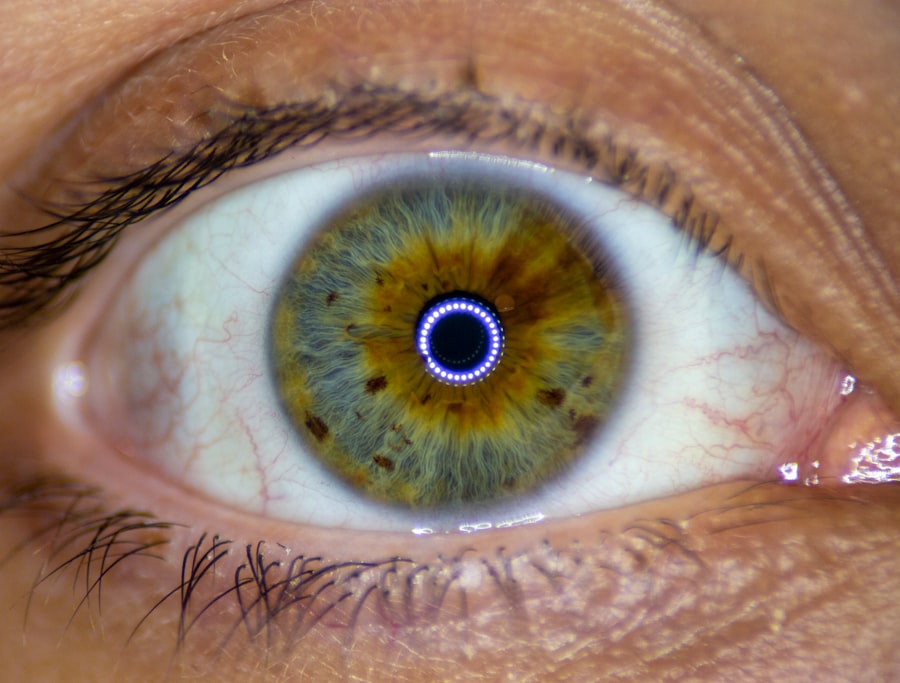
Self-diagnosis can be tempting, especially with the wealth of information available online. However, relying on your own judgment when it comes to eye health can be risky. Many people may misinterpret their symptoms or overlook subtle signs of a more serious condition. For example, if you notice occasional blurriness, you might assume it’s just fatigue or a need for a new prescription. In reality, it could be a symptom of something more serious, like a retinal detachment.
Additionally, self-diagnosis can lead to unnecessary anxiety or complacency. If you convince yourself that everything is fine based on an online test result, you might ignore symptoms that warrant professional evaluation. On the other hand, if you misinterpret a minor issue as something severe, it can lead to undue stress and worry. Consulting with an optometrist ensures that you receive an accurate diagnosis and appropriate treatment options tailored to your specific needs.
The Role of Optometrists in Eye Health
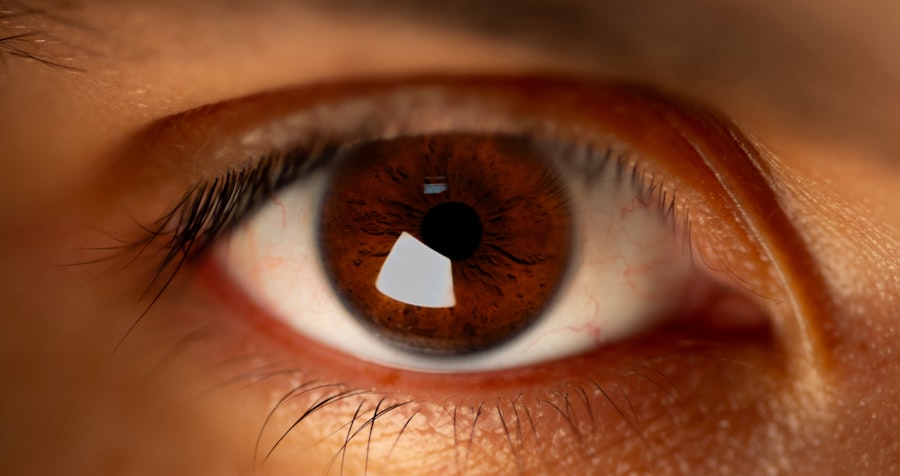
Optometrists play a crucial role in maintaining eye health and providing comprehensive care. They are trained to perform detailed examinations that go beyond simple vision tests. Their expertise allows them to identify a wide range of eye conditions and systemic diseases that may manifest through changes in vision. For instance, they can detect high blood pressure or diabetes during an eye exam, which can lead to early intervention and better management of these conditions.
Moreover, optometrists are equipped to provide personalized recommendations based on your lifestyle and visual needs. Whether you’re an avid reader, a computer user, or an athlete, they can suggest the best solutions for your specific situation. This level of personalized care is something that online tests simply cannot replicate. By building a relationship with an optometrist, you gain access to ongoing support and guidance for your eye health.
Factors That Can Affect the Accuracy of Online Eye Tests
| Metrics | Accuracy |
|---|---|
| Sensitivity | Varies by test, but generally lower than in-person exams |
| Specificity | Varies by test, but generally lower than in-person exams |
| False Positive Rate | Varies by test, but generally higher than in-person exams |
| False Negative Rate | Varies by test, but generally higher than in-person exams |
| Overall Accuracy | Varies by test, but generally lower than in-person exams |
Several factors can influence the accuracy of online eye tests, making them less reliable than in-person evaluations. One significant factor is the quality of the device used for testing. Different screens have varying resolutions and color calibrations, which can affect how accurately you perceive visual stimuli during the test. If you’re using a smartphone with a low-quality display, for example, it may not provide an accurate representation of your vision.
Another consideration is the testing environment. Online tests often require specific lighting conditions for optimal results. If you’re in a dimly lit room or facing glare from windows or overhead lights, it could skew your results. Additionally, distractions in your environment can impact your focus during the test, leading to inaccurate outcomes. These variables highlight why online tests should not be viewed as definitive assessments of your eye health.
Understanding the Difference Between Online Tests and In-Person Exams
The differences between online tests and in-person exams are significant and worth understanding. Online tests typically focus on basic visual acuity and may include simple tasks like reading letters from a screen. In contrast, in-person exams involve a series of comprehensive assessments that evaluate various aspects of eye health. An optometrist will use specialized equipment to measure intraocular pressure, examine the retina, and assess how well your eyes work together.
Furthermore, in-person exams allow for immediate feedback and discussion about any concerns you may have regarding your vision or eye health. You can ask questions and receive tailored advice based on your unique situation. This interactive aspect is missing from online tests, which often provide generic results without context or follow-up support.
The Potential Risks of Relying Solely on Online Eye Tests
Relying solely on online eye tests poses several risks that can have long-term consequences for your eye health. One major concern is the potential for undiagnosed conditions that could worsen over time without proper intervention. For example, conditions like glaucoma can progress silently without noticeable symptoms until significant damage has occurred. If you depend solely on online tests that indicate normal vision, you might miss out on critical early detection.
Additionally, there’s the risk of developing incorrect prescriptions based on incomplete data from online tests. If you receive a prescription without a thorough evaluation of your eyes’ health and function, it may not address your specific needs effectively. This could lead to discomfort or further vision problems down the line. Ultimately, while online tests can be convenient tools for monitoring vision changes, they should never replace professional evaluations.
How to Use Online Eye Tests as a Supplement to Professional Care
While online eye tests have their limitations, they can still serve as useful supplements to professional care when used appropriately. For instance, if you notice changes in your vision between regular check-ups, an online test can provide preliminary insights that you can discuss with your optometrist during your next appointment. This proactive approach allows you to stay informed about your eye health while still prioritizing comprehensive care.
It’s important to approach online tests with realistic expectations. Use them as a way to monitor trends in your vision rather than definitive assessments. If an online test suggests a potential issue or if you experience any concerning symptoms, make sure to schedule an appointment with an optometrist promptly. By combining the convenience of online tools with the expertise of eye care professionals, you can take a more proactive approach to maintaining your eye health while ensuring that any serious conditions are addressed appropriately.
In conclusion, while online eye tests offer convenience and accessibility, they cannot replace the thoroughness and expertise provided by comprehensive eye exams conducted by optometrists. Understanding their limitations and using them as supplementary tools can help you maintain better eye health while ensuring that any potential issues are caught early through professional care.
FAQs
1. What are online eye tests?
Online eye tests are self-administered vision screenings that can be completed using a computer or smartphone. These tests typically involve reading letters or numbers on a screen at a specific distance and answering questions about your vision and eye health.
2. Are online eye tests accurate?
While online eye tests may provide some indication of your vision, they are not as accurate as comprehensive eye exams conducted by optometrists. Online tests cannot detect underlying eye conditions or provide a complete assessment of your visual health.
3. What are the limitations of online eye tests?
Online eye tests do not assess the overall health of your eyes, nor do they evaluate the functionality of your visual system. They also cannot detect conditions such as glaucoma, cataracts, or diabetic retinopathy, which require a thorough examination by an optometrist.
4. What do optometrists want you to know about online eye tests?
Optometrists want patients to understand that online eye tests are not a substitute for comprehensive eye exams. While online tests may be convenient, they do not provide the same level of care and attention to detail that optometrists can offer.
5. What is the importance of regular eye exams with an optometrist?
Regular eye exams with an optometrist are crucial for maintaining good eye health and detecting potential issues early. Optometrists can assess your vision, screen for eye diseases, and provide personalized recommendations for maintaining optimal eye health.
